

Hey there! As a supplier of Intercom Boards, I often get asked about interference issues with these nifty devices. So, let's dig into it and see if there are any problems we need to worry about.
First off, what exactly is a wireless Intercom Board? It's a key component that enables communication between different parts of an intercom system without the hassle of wires. It's used in all sorts of places, from homes to offices and even large commercial buildings. There are different types too, like the Intercom PCB, Speaker Network Board, and VoIP Board, each with its own features and functions.
Now, onto the big question: are there any interference issues? Well, the short answer is yes, there can be. But don't worry, it's not all doom and gloom. Let's break down the possible sources of interference and how to deal with them.
Radio Frequency (RF) Interference
One of the most common sources of interference is radio frequency. Wireless intercom boards operate on specific frequencies, and if there are other devices using the same or nearby frequencies, it can cause problems. For example, Wi-Fi routers, Bluetooth devices, and even microwave ovens can emit RF signals that might interfere with your intercom system.
When there's RF interference, you might notice some distortion in the audio quality. You could hear static, buzzing, or even find that the voices are hard to understand. In some cases, the connection might drop altogether.
To combat this, many modern intercom boards are designed with frequency-hopping technology. This means that the device can automatically switch between frequencies to avoid interference. Additionally, you can try to position your intercom board away from other RF-emitting devices. For example, if you have a Wi-Fi router in the same room as your intercom, try moving the router or changing its channel to minimize interference.
Electrical Interference
Electrical interference is another culprit. This can come from power lines, electrical appliances, or faulty wiring. When your intercom board is subjected to electrical interference, you might experience intermittent audio dropouts or strange noises.
To reduce electrical interference, make sure your intercom board is properly grounded. A good quality power supply can also make a big difference. Avoid running the intercom board's power cable alongside other high-voltage cables, as this can increase the risk of interference. If you suspect that the wiring in your building is causing the problem, it might be worth getting an electrician to take a look.
Physical Obstructions
Physical objects can also cause interference. Thick walls, metal doors, and large furniture can block or weaken the wireless signal between different parts of your intercom system. If you've got a multi-floor building, the floor slabs can act as barriers too.
If you're facing issues due to physical obstructions, you might need to add signal repeaters or boosters to your system. These devices can pick up the weak signal and amplify it, ensuring that it reaches all parts of your building. You can also try repositioning the intercom units to find a spot with a clear line of sight between them.
Environmental Factors
Believe it or not, the environment can play a role in interference. For example, bad weather conditions like heavy rain or snow can weaken the wireless signal. In areas with a lot of electromagnetic activity, such as near a radio station or a power plant, you might also experience more interference.
There's not much you can do about the weather, but if you're in an area with high electromagnetic activity, you might need to consider a more robust intercom system that's designed to handle such conditions. Some advanced intercom boards come with built-in shielding to reduce the impact of external electromagnetic fields.
How Our Intercom Boards Are Designed to Minimize Interference
At our company, we take interference seriously. We've designed our Intercom PCB, Speaker Network Board, and VoIP Board with several features to reduce interference.

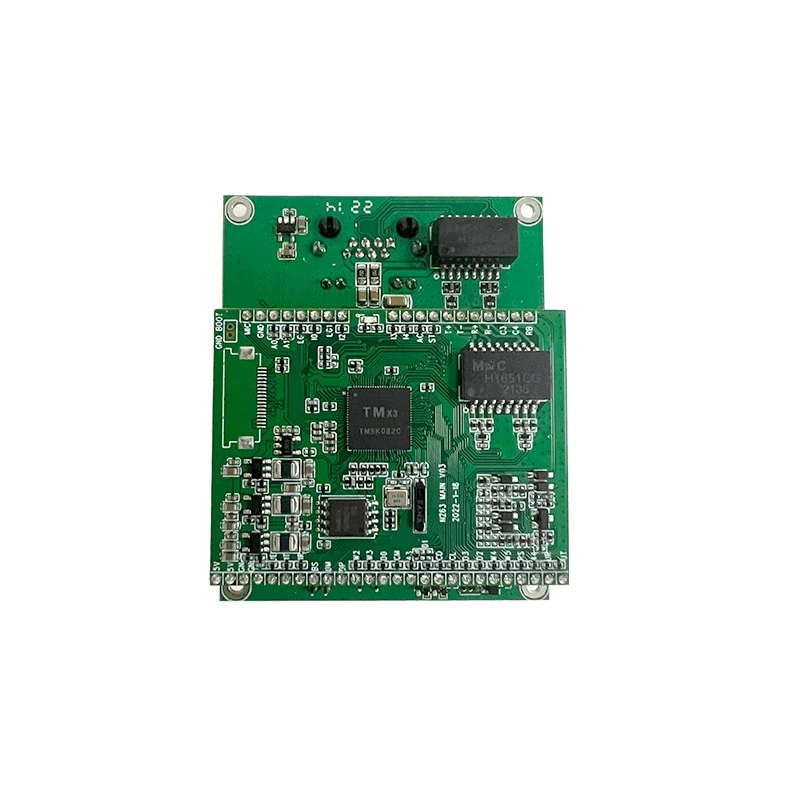
Our boards use advanced RF filtering technology to block out unwanted signals. This means that even in a busy electromagnetic environment, our intercoms can still provide clear and stable communication. We also perform rigorous testing on all our products to ensure they meet high standards of performance and reliability.
In addition, our intercom boards are built with high-quality components that are less susceptible to electrical interference. This helps to ensure that you won't experience any audio dropouts or strange noises due to electrical issues.
Conclusion
So, while there can be interference issues with wireless intercom boards, there are also plenty of solutions. By understanding the sources of interference and taking appropriate measures, you can ensure that your intercom system works smoothly and provides clear communication.
If you're in the market for a reliable intercom board, we've got you covered. Our range of Intercom PCB, Speaker Network Board, and VoIP Board is designed to meet the needs of different customers, whether you're a homeowner or a business owner.
If you have any questions or want to discuss your specific requirements, feel free to reach out. We're here to help you find the best intercom solution for your needs and ensure that you don't have to worry about interference issues.
References
- "Wireless Communication Principles and Practice" by Theodore S. Rappaport
- "Electromagnetic Compatibility Engineering" by Henry W. Ott