

As a column loudspeaker supplier, I've had my fair share of questions from customers. One question that pops up quite often is, "Can a column loudspeaker be damaged by water?" Well, let's dive right into it and find out.
First off, it's important to understand how column loudspeakers work. These speakers are designed to produce sound in a specific pattern, usually covering a long, narrow area. They're commonly used in places like schools, shopping malls, and outdoor spaces. But just like any other electronic device, they're not invincible when it comes to water.
Water can cause a whole host of problems for column loudspeakers. The most obvious issue is electrical damage. When water gets into the internal components of a speaker, it can short - circuit the electrical connections. This can lead to a complete loss of sound or, even worse, permanent damage to the speaker. For example, if water seeps into the amplifier section of the column loudspeaker, it can fry the delicate circuits, rendering the speaker useless.
Another problem is corrosion. Metals are used in the construction of column loudspeakers, such as in the wiring and the speaker cones. When these metals come into contact with water, they can start to rust. Rust not only weakens the structural integrity of the components but also affects the electrical conductivity. Over time, the sound quality will degrade as the rust interferes with the flow of electrical signals.
The type of water also matters. Tap water contains minerals and impurities that can be more corrosive than distilled water. Saltwater, on the other hand, is even more dangerous. It's highly conductive and can cause rapid corrosion of the speaker's components. If you're using Outdoor Column Speaker near the ocean or in a salty environment, you need to be extra careful.
Now, you might be wondering if all column loudspeakers are equally vulnerable to water damage. The answer is no. Some column loudspeakers are designed to be more water - resistant than others. For instance, SIP Column Speaker models often come with better sealing and protective coatings to prevent water from getting inside. These speakers are typically rated according to an Ingress Protection (IP) code. An IP code consists of two digits. The first digit indicates the level of protection against solid objects, and the second digit indicates the level of protection against water. A higher second digit means better water resistance.
Let's take a look at some common IP ratings for column loudspeakers. An IPX0 rating means the speaker has no protection against water. This is usually the case for indoor - only speakers. An IPX1 or IPX2 rating means the speaker can withstand dripping water from a vertical or slightly inclined angle. These speakers are suitable for light indoor use where there might be a little bit of moisture. An IPX3 rating indicates protection against spraying water, making them more suitable for outdoor use in light rain. IPX4 - rated speakers can handle splashing water from any direction, while IPX5 and IPX6 - rated speakers can withstand low - pressure and high - pressure water jets respectively. IPX7 - rated speakers can be submerged in water up to 1 meter for a short period, and IPX8 - rated speakers can be submerged in water at greater depths for longer periods.
But even if a speaker has a high IP rating, it's not completely immune to water damage. Over time, the seals can wear out, and the protective coatings can degrade. Exposure to extreme temperatures, chemicals, or physical damage can also compromise the speaker's water - resistance. For example, if a speaker with an IPX6 rating is dropped or bumped, the seal might break, allowing water to enter.
So, what should you do if your column loudspeaker gets wet? The first thing is to turn it off immediately. Continuing to use a wet speaker can increase the risk of electrical damage. Then, try to dry the speaker as soon as possible. You can use a dry cloth to wipe off any visible water. For hard - to - reach areas, you can use compressed air to blow out the moisture. It's important to let the speaker dry completely before turning it back on. If you're not sure whether the speaker is dry enough, it's best to wait for a few days or even a week.
If the speaker still doesn't work after drying, it might be time to take it to a professional for repair. A professional technician can open up the speaker, check for any damaged components, and replace them if necessary. However, in some cases, the damage might be too severe, and it might be more cost - effective to replace the speaker.
As a column loudspeaker supplier, I always recommend taking preventive measures to protect your speakers from water damage. If you're using Column PA Speaker outdoors, make sure to install them in a sheltered area. You can use a speaker cover or a protective enclosure to provide an extra layer of protection. Regularly inspect the speakers for any signs of damage or wear, and replace the seals if necessary.

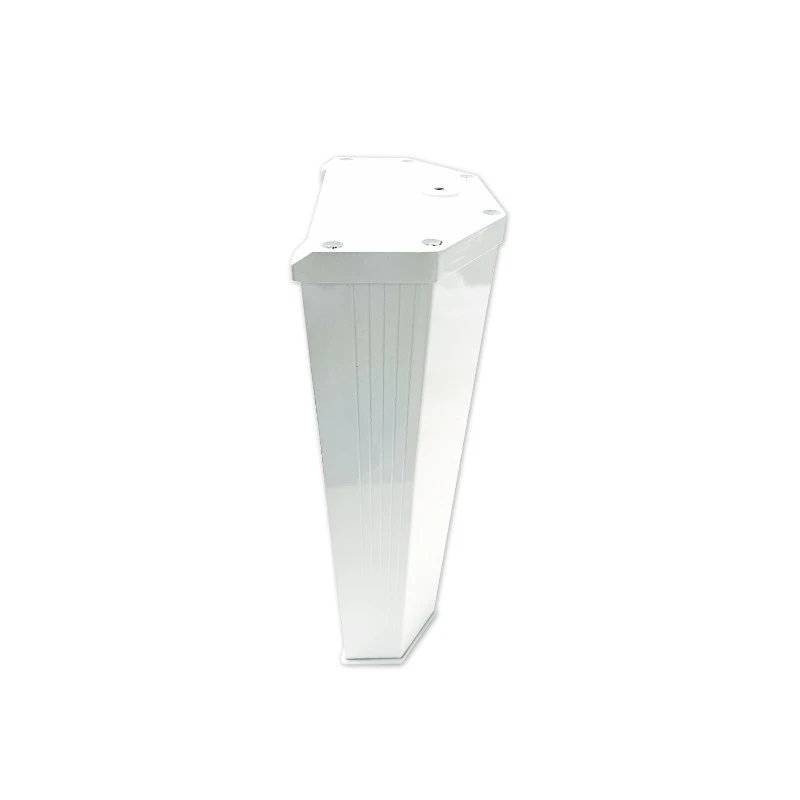
In conclusion, column loudspeakers can definitely be damaged by water. But with the right precautions and a good understanding of the speaker's water - resistance capabilities, you can minimize the risk. Whether you're using column loudspeakers for indoor or outdoor applications, it's important to choose the right model with the appropriate IP rating.
If you're in the market for high - quality column loudspeakers with excellent water - resistance, feel free to reach out to us. We have a wide range of products to meet your needs. Our team of experts can help you choose the right speaker for your specific application and provide you with all the information you need to keep your speakers in top condition. Contact us today to start the procurement discussion and find the perfect column loudspeaker for you.
References
- Electrical Engineering Handbook: Covers basic principles of electrical components in speakers and effects of water on them.
- Speaker Manufacturing Industry Reports: Provide information on IP ratings and water - resistance design.