

In today's dynamic commercial landscape, the integration of advanced audio technology is crucial for enhancing communication, entertainment, and overall user experience. One such innovation that has gained significant traction is the network board for speakers. As a leading supplier of [Network Board for Speakers], I am often asked whether these boards can be effectively utilized in a commercial setting. In this blog post, I will delve into the capabilities, benefits, and considerations of using a network board for speakers in commercial environments.
Understanding Network Boards for Speakers
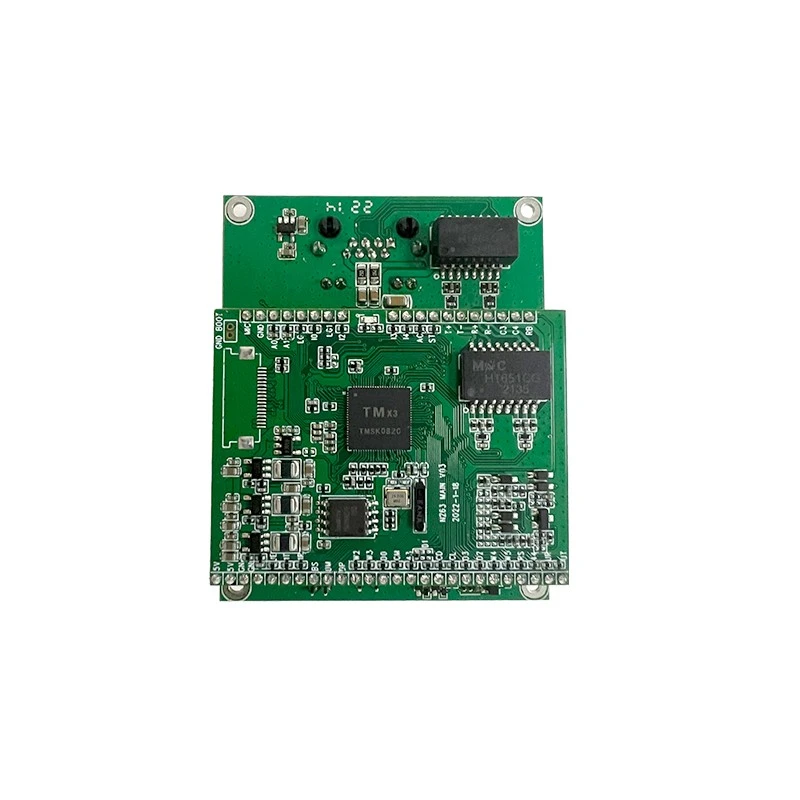
A network board for speakers is a specialized device that enables speakers to connect to a network, typically an Ethernet or Wi-Fi network. This connectivity allows for the seamless transmission of audio signals from a central source to multiple speakers, offering greater flexibility and control compared to traditional wired audio systems. By leveraging network technology, these boards can support features such as multi-zone audio distribution, remote management, and integration with other smart devices.
Advantages of Using Network Boards for Speakers in Commercial Settings
1. Scalability and Flexibility
One of the primary advantages of network boards for speakers in commercial settings is their scalability. Whether you are a small retail store, a large corporate office, or a sprawling entertainment venue, these boards can be easily expanded to accommodate your growing audio needs. You can add or remove speakers as required, and reconfigure the audio zones without the need for extensive rewiring. This flexibility makes it an ideal solution for businesses that may need to adapt their audio systems over time.
2. Multi-Zone Audio Distribution
Commercial spaces often require different audio content to be played in different areas simultaneously. For example, a hotel may want to play soft background music in the lobby, while providing live announcements in the conference rooms. Network boards for speakers allow for precise multi-zone audio distribution, enabling you to create customized audio experiences for each area of your business. You can stream different audio sources to different zones, or play the same content across all speakers, depending on your requirements.
3. Remote Management and Control
With a network board for speakers, you can manage and control your audio system remotely from a central location. This feature is particularly useful for businesses with multiple locations or large campuses. You can adjust the volume, change the audio source, and schedule playback times using a web-based interface or a mobile app. This not only saves time and effort but also ensures consistent audio quality across all locations.
4. Integration with Other Systems
Network boards for speakers can be easily integrated with other smart systems, such as security cameras, lighting controls, and building management systems. This integration allows for a more cohesive and automated commercial environment. For example, you can synchronize the audio with the lighting to create a more immersive experience for your customers. You can also trigger audio announcements based on security events, such as a door opening or a motion detection.

5. Cost-Effectiveness
While the initial investment in a network board for speakers may be higher than traditional audio systems, it offers long-term cost savings. The ability to reuse existing network infrastructure reduces the need for additional wiring, which can significantly lower installation costs. Additionally, the energy-efficient design of these boards helps to reduce power consumption, resulting in lower operating costs over time.
Considerations for Using Network Boards for Speakers in Commercial Settings
1. Network Infrastructure
The performance of a network board for speakers is highly dependent on the quality of the network infrastructure. A stable and high-speed network is essential to ensure smooth audio transmission without any lag or distortion. Before installing a network board for speakers, it is important to assess your existing network infrastructure and make any necessary upgrades. This may include upgrading the network switches, routers, and access points to support the increased bandwidth requirements.
2. Audio Quality
In a commercial setting, audio quality is of utmost importance. The network board for speakers should be able to deliver high-fidelity audio with clear and crisp sound. It is important to choose a board that supports high-resolution audio formats and has advanced audio processing capabilities. Additionally, proper speaker placement and acoustic treatment can also enhance the overall audio quality.
3. Security
As network boards for speakers are connected to the network, they are vulnerable to security threats. It is important to implement robust security measures to protect your audio system from unauthorized access and cyberattacks. This may include using strong passwords, enabling encryption, and regularly updating the firmware of the network board and speakers.
4. Compatibility
When choosing a network board for speakers, it is important to ensure compatibility with your existing audio equipment and software. The board should be able to support a wide range of audio codecs and protocols, and be compatible with popular audio streaming platforms. This will ensure seamless integration with your existing audio infrastructure and allow you to take advantage of the latest audio technologies.
Real-World Applications of Network Boards for Speakers in Commercial Settings
1. Retail Stores
In retail stores, network boards for speakers can be used to create a more engaging shopping experience for customers. You can play background music, promotional announcements, and product information in different areas of the store. By adjusting the volume and audio content based on the time of day and customer traffic, you can enhance the overall atmosphere and increase customer satisfaction.
2. Restaurants and Cafes
Restaurants and cafes can use network boards for speakers to provide a pleasant dining experience for their customers. You can play soft background music to create a relaxing ambiance, or live music to add a touch of entertainment. The ability to control the audio zones allows you to create different audio environments in different areas of the establishment, such as the dining area, the bar, and the outdoor seating.
3. Corporate Offices
In corporate offices, network boards for speakers can be used for a variety of purposes, such as public address systems, conference room audio, and background music. You can use the multi-zone audio distribution feature to play different audio content in different departments or meeting rooms. The remote management and control feature allows you to easily manage the audio system from a central location, ensuring consistent audio quality across the entire office.
4. Entertainment Venues
Entertainment venues, such as theaters, concert halls, and sports arenas, require high-quality audio systems to deliver an immersive experience for their audiences. Network boards for speakers can be used to distribute audio to multiple speakers throughout the venue, ensuring uniform sound coverage. The ability to integrate with other systems, such as lighting and video, allows for a more synchronized and engaging performance.
Conclusion
In conclusion, a network board for speakers can be a valuable asset in a commercial setting. Its scalability, flexibility, multi-zone audio distribution, remote management, and integration capabilities make it an ideal solution for businesses of all sizes and industries. However, it is important to consider the network infrastructure, audio quality, security, and compatibility before implementing a network board for speakers.
As a supplier of [Network Board for Speakers], we are committed to providing high-quality products and exceptional customer service. Our [Speaker Network Board] and [VoIP Board] are designed to meet the diverse needs of commercial customers. If you are interested in learning more about our products or discussing your specific requirements, please feel free to [initiate a conversation about procurement]. We look forward to the opportunity to work with you and help you enhance your commercial audio experience.
References
- Smith, J. (2020). The Future of Audio Technology in Commercial Spaces. Journal of Commercial Audio, 15(2), 45-52.
- Johnson, A. (2019). Networked Audio Systems: A Comprehensive Guide. Audio Engineering Society, 32(3), 78-85.
- Brown, C. (2018). Best Practices for Implementing Network Boards for Speakers in Commercial Settings. Commercial Audio Magazine, 20(4), 34-41.