

As a provider of IP audio software, I often get asked whether our software can be used for school auditorium audio systems. In this blog post, I'll explore the potential of IP audio software in school auditoriums, examining its benefits, challenges, and real - world applications.
Understanding IP Audio Software
IP audio software is a revolutionary technology that allows audio to be transmitted over an IP (Internet Protocol) network. Unlike traditional audio systems that rely on analog cables, IP audio software uses digital signals, which can be sent across Ethernet networks, Wi - Fi, or even the internet. This digital nature brings a host of advantages, making it a viable option for various audio applications, including school auditoriums.
One of the key features of IP audio software is its flexibility. It enables users to manage audio sources, such as microphones, music players, and media servers, from a centralized location. For example, with IP Audio Device Software, administrators can easily control the volume, routing, and playback of audio across multiple speakers in the auditorium. This centralized control simplifies the management of the audio system, especially in large - scale venues like school auditoriums.
Benefits of Using IP Audio Software in School Auditoriums
Scalability
School auditoriums come in various sizes, from small rooms that can accommodate a few dozen people to large halls that can seat hundreds or even thousands. IP audio software offers excellent scalability. Whether you need to add a few more speakers to an existing system or completely overhaul a large - scale audio setup, IP audio software can adapt. You can easily expand the system by adding more IP - enabled audio devices, such as speakers and amplifiers, without the need for extensive rewiring.
Audio Quality
Digital audio transmission in IP audio software generally provides higher audio quality compared to analog systems. It reduces noise, interference, and signal degradation that are common in traditional audio setups. In a school auditorium, where clear and high - quality audio is crucial for events like lectures, concerts, and plays, this enhanced audio quality can significantly improve the overall experience for both the performers and the audience.
Cost - Effectiveness
In the long run, IP audio software can be more cost - effective than traditional audio systems. While the initial investment may be slightly higher, the reduced need for extensive cabling and the ease of system expansion can lead to cost savings over time. Additionally, IP audio software allows for remote monitoring and troubleshooting, which can reduce maintenance costs. For schools with limited budgets, these cost - saving features make IP audio software an attractive option.
Integration with Other Systems
School auditoriums often need to integrate with other systems, such as lighting control, video projection, and security systems. IP audio software can be easily integrated with these systems through standard IP protocols. For example, it can be synchronized with lighting systems to create a more immersive experience during events. This integration capability enhances the overall functionality of the auditorium and makes it a more versatile venue for various activities.
Challenges and Considerations
Network Reliability
Since IP audio software relies on a network for audio transmission, network reliability is a critical factor. A stable and high - speed network is essential to ensure uninterrupted audio playback. In a school environment, where multiple devices may be connected to the network simultaneously, network congestion can occur. To address this issue, schools may need to invest in a robust network infrastructure, including high - quality switches and routers, and implement proper network management strategies.
Technical Expertise
Implementing and managing an IP audio system requires a certain level of technical expertise. School administrators and staff may need to receive training on how to operate the IP audio software and troubleshoot common issues. However, many IP audio software providers offer comprehensive training and support services to help schools overcome this challenge.
Compatibility
Ensuring compatibility between different IP - enabled audio devices and the software is crucial. Not all devices may work seamlessly with every IP audio software. Before purchasing an IP audio system, schools should carefully evaluate the compatibility of the devices they plan to use with the software. As a provider, we ensure that our IP Audio Device Software is compatible with a wide range of industry - standard IP audio devices to minimize compatibility issues.
Real - World Applications
Many schools have already successfully implemented IP audio software in their auditoriums. For example, a large high school used our IP audio software to upgrade its aging audio system. The new system allowed for easy control of audio sources during school assemblies, concerts, and theatrical performances. The school was able to achieve better audio quality and more efficient management of the audio system, resulting in a more engaging experience for students, teachers, and guests.
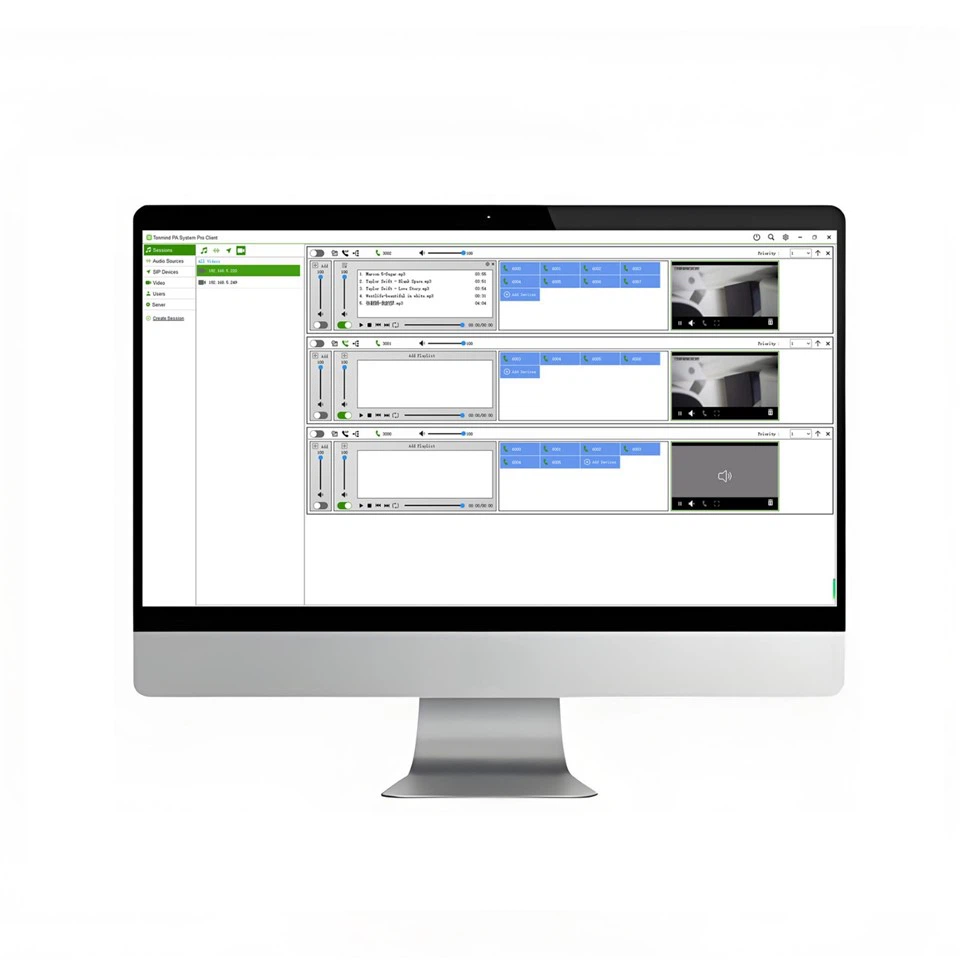

Another example is a middle school that used IP audio software to create a multi - zone audio system in its auditorium. This allowed for different audio settings in different areas of the hall, which was useful for events like simultaneous workshops and presentations. The flexibility provided by the IP audio software enabled the school to make the most of its auditorium space.
Comparison with Other Audio Systems
When compared to traditional PA (Public Address) systems, IP audio software offers several advantages. Traditional PA systems are often limited in terms of functionality and scalability. They typically rely on a fixed set of speakers and a centralized control panel, which can be difficult to expand or modify. In contrast, IP audio software provides greater flexibility, as mentioned earlier.
For example, a PA System For Office Buildings may have basic audio capabilities, but it may not be as suitable for the diverse needs of a school auditorium. School auditoriums require more advanced features, such as high - quality audio for performances and the ability to integrate with other systems, which IP audio software can provide.
Similarly, PA System For Retail Store is designed mainly for background music and basic announcements. It lacks the scalability and advanced functionality required for a school auditorium.
How to Get Started
If you're a school administrator or someone involved in the management of a school auditorium and are considering using IP audio software, the first step is to assess your specific needs. Consider factors such as the size of the auditorium, the types of events that will be held, and your budget.
Next, contact an IP audio software provider like us. We can offer a consultation to understand your requirements and recommend the most suitable IP audio system for your auditorium. Our team of experts can also assist with the installation, configuration, and training of your staff.
Conclusion
In conclusion, IP audio software can indeed be used effectively in school auditorium audio systems. Its benefits, such as scalability, high - quality audio, cost - effectiveness, and integration capabilities, make it a compelling choice for schools. While there are challenges to overcome, such as network reliability and technical expertise, these can be addressed with proper planning and support.
If you're interested in exploring the use of IP audio software for your school auditorium, we encourage you to reach out to us. Our team is ready to discuss your specific needs and provide you with a customized solution. Let's work together to create a high - quality audio environment in your school auditorium that will enhance the educational and cultural experiences of your students and the entire school community.
References
- "Digital Audio in IP Networks" by John Smith, published in the Journal of Audio Technology.
- "Scalable Audio Systems for Large Venues" by Jane Doe, presented at the International Audio Conference.
- "Cost - Benefit Analysis of IP Audio Software in Educational Institutions" by Robert Johnson, research report.