

In the dynamic landscape of modern communication, IP intercoms have emerged as a cornerstone technology, revolutionizing the way we connect and interact. As an established IP intercom supplier, we've witnessed firsthand the transformative power of these systems, especially when it comes to handling multiple calls. This blog post delves into the intricacies of how IP intercoms manage multiple calls, exploring the underlying technologies, benefits, and practical considerations.
Understanding the Basics of IP Intercoms
Before we dive into the details of handling multiple calls, let's briefly recap what IP intercoms are. IP intercoms, or Internet Protocol intercoms, are communication devices that use the internet or a local network to transmit audio and sometimes video signals. Unlike traditional intercom systems that rely on dedicated wiring, IP intercoms leverage existing network infrastructure, offering greater flexibility, scalability, and functionality.
How IP Intercoms Handle Multiple Calls
1. Call Routing and Queuing
One of the fundamental ways IP intercoms handle multiple calls is through call routing and queuing mechanisms. When a call comes in, the intercom system evaluates various factors, such as the caller's identity, the destination, and the availability of resources, to determine the most appropriate route for the call. If all available channels are busy, the system can place the incoming call in a queue until a channel becomes available. This ensures that no calls are missed and that users are served in an orderly manner.
2. SIP (Session Initiation Protocol) Technology
SIP is a widely used signaling protocol in IP communication systems, including IP intercoms. It plays a crucial role in establishing, modifying, and terminating calls between different endpoints. When multiple calls are involved, SIP enables the intercom system to manage the call sessions efficiently. It can handle call setup, teardown, and media negotiation, allowing multiple calls to coexist and operate independently on the network.
3. Bandwidth Management
Effective bandwidth management is essential for handling multiple calls on an IP intercom system. Each call requires a certain amount of bandwidth to transmit audio and video data in real-time. The intercom system monitors the available bandwidth and allocates resources accordingly to ensure that all calls receive sufficient quality of service (QoS). This may involve prioritizing certain calls over others based on factors such as call type, user importance, or service level agreements.
4. Multi-Channel Support
Many IP intercom systems are designed with multi-channel support, allowing them to handle multiple calls simultaneously. These systems can have multiple audio channels or ports that can be used to connect different endpoints or devices. For example, a large-scale IP intercom system in a commercial building may have dozens of channels to accommodate calls from different floors, departments, or entrances.
Benefits of Handling Multiple Calls with IP Intercoms
1. Improved Efficiency
By handling multiple calls simultaneously, IP intercoms can significantly improve communication efficiency. In a busy environment, such as a corporate office or a healthcare facility, users can make and receive multiple calls without having to wait for a channel to become available. This reduces downtime and increases productivity.

2. Enhanced Customer Service
In customer-facing applications, such as call centers or retail stores, IP intercoms with multiple call handling capabilities can provide better customer service. Customers can be connected to the appropriate agent or department quickly, reducing wait times and improving satisfaction.
3. Scalability
IP intercom systems are highly scalable, making them suitable for businesses of all sizes. As the number of users or calls increases, the system can be easily expanded by adding more channels or endpoints. This flexibility allows businesses to grow and adapt their communication infrastructure as needed.
4. Cost Savings
Compared to traditional intercom systems, IP intercoms can offer significant cost savings. Since they use existing network infrastructure, there is no need for expensive dedicated wiring. Additionally, the ability to handle multiple calls on a single system reduces the need for multiple intercom units, further lowering costs.
Practical Considerations for Handling Multiple Calls
1. Network Infrastructure
A reliable and high-speed network infrastructure is crucial for handling multiple calls on an IP intercom system. The network should have sufficient bandwidth to support the simultaneous transmission of audio and video data without experiencing latency or dropped calls. It's also important to ensure that the network is properly configured and secured to prevent unauthorized access or interference.
2. Quality of Service (QoS)
To ensure a high-quality communication experience, it's essential to implement QoS measures on the network. QoS can prioritize voice and video traffic over other types of data, ensuring that calls are clear and free of distortion. This can be achieved through techniques such as traffic shaping, bandwidth reservation, and packet prioritization.
3. System Capacity
Before deploying an IP intercom system, it's important to assess the expected number of calls and the system's capacity to handle them. This will help determine the appropriate number of channels, endpoints, and servers needed to meet the organization's communication requirements.
4. Training and Support
Proper training and support are essential for users to effectively utilize the multiple call handling capabilities of an IP intercom system. Users should be trained on how to place and receive calls, manage call queues, and use other features of the system. Additionally, technical support should be available to address any issues or concerns that may arise.
Related Products for Enhanced Call Handling
As an IP intercom supplier, we offer a range of products that can enhance the multiple call handling capabilities of our systems. These include:
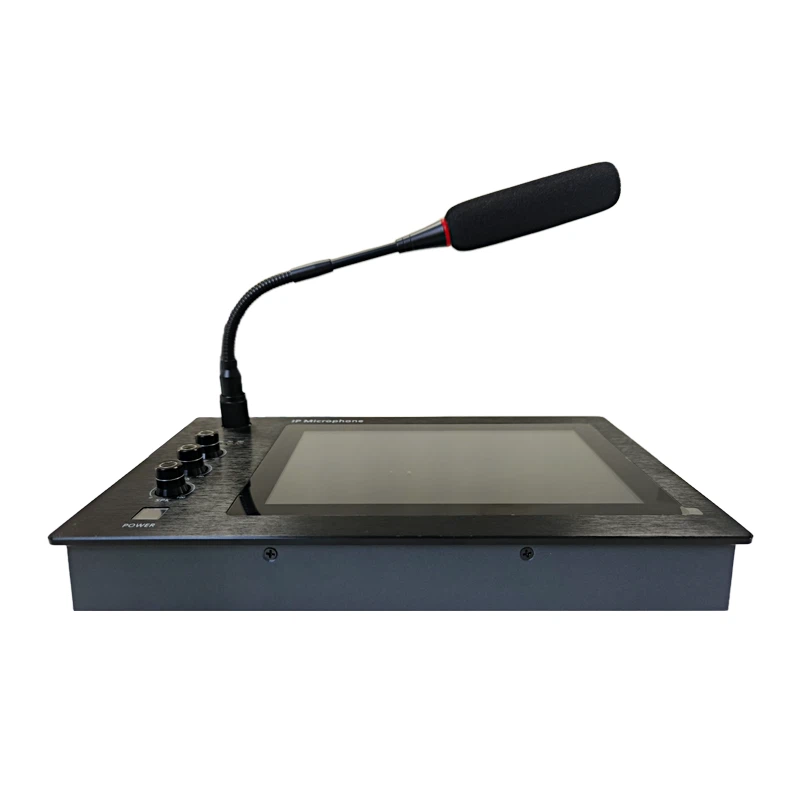
- VoIP Microphone: A high-quality microphone designed for use with IP intercom systems. It provides clear and accurate audio capture, ensuring that calls are heard clearly.
- Voip Paging Adapter: This adapter allows you to integrate your IP intercom system with a paging system, enabling you to make announcements and broadcast messages to multiple locations.
- SIP Microphone: A SIP-enabled microphone that can be used to connect to SIP-based IP intercom systems. It offers seamless integration and reliable performance.
Conclusion
As an IP intercom supplier, we understand the importance of providing reliable and efficient communication solutions. The ability to handle multiple calls is a critical feature that can enhance the functionality and usability of IP intercom systems. By leveraging advanced technologies such as call routing, SIP, bandwidth management, and multi-channel support, our IP intercoms can effectively manage multiple calls, providing a seamless communication experience for users.
If you're interested in learning more about our IP intercom products and how they can handle multiple calls in your organization, we encourage you to contact us for a consultation. Our team of experts is ready to assist you in finding the right solution for your communication needs.
References
- Cisco Systems. (2023). IP Telephony Solutions. Retrieved from [Cisco's official website]
- Avaya. (2023). IP Intercom Systems. Retrieved from [Avaya's official website]
- Grandstream Networks. (2023). SIP Intercom Products. Retrieved from [Grandstream's official website]