

As a supplier of PA system design software, I've been getting a lot of questions lately about how our software accounts for room reflections. It's a crucial aspect of PA system design, and I'm excited to break it down for you.
First off, let's talk about why room reflections matter. When you're setting up a PA system in any space, be it a small office or a large auditorium, the sound waves from your speakers don't just travel in a straight line to the listeners' ears. They bounce off walls, ceilings, and floors, creating reflections. These reflections can either enhance or degrade the overall sound quality. If not properly accounted for, they can cause issues like echoes, phase cancellation, and uneven sound distribution.
Our PA system design software uses a combination of advanced algorithms and real - world acoustic models to deal with room reflections. One of the key features is the ability to input detailed room dimensions. You can specify the length, width, and height of the room, as well as the materials of the walls, ceiling, and floor. Different materials absorb and reflect sound differently. For example, a hard, smooth concrete wall will reflect more sound than a soft, porous acoustic panel. By knowing the material properties, our software can accurately predict how the sound waves will interact with the room surfaces.
Once the room dimensions and material properties are entered, the software simulates the sound propagation. It traces the path of the sound waves from the speakers to the various surfaces in the room and calculates the reflections. This simulation takes into account factors like the angle of incidence of the sound wave on the surface, the absorption coefficient of the material, and the distance the sound wave travels.
The software then analyzes the combined effect of the direct sound (the sound that travels straight from the speaker to the listener) and the reflected sounds. It can identify areas in the room where there might be excessive reflections, leading to echoes. In these cases, the software can suggest solutions such as adjusting the speaker placement, adding acoustic treatment to the room, or modifying the speaker settings.
Let's say you're designing a PA system for an office building. You can use our PA System For Office Buildings feature in the software. It's specifically tailored to the unique acoustic characteristics of office spaces. Offices often have a mix of hard surfaces like glass partitions and soft surfaces like carpeted floors. The software can optimize the speaker layout to ensure clear and even sound distribution throughout the office, taking into account all the potential reflections.
Another important aspect is the time delay between the direct sound and the reflected sounds. If the reflected sound arrives at the listener's ear too soon after the direct sound, it can cause phase cancellation, which results in a loss of clarity and fullness in the sound. Our software calculates these time delays and can recommend adjustments to the speaker settings to minimize the negative effects of phase cancellation.
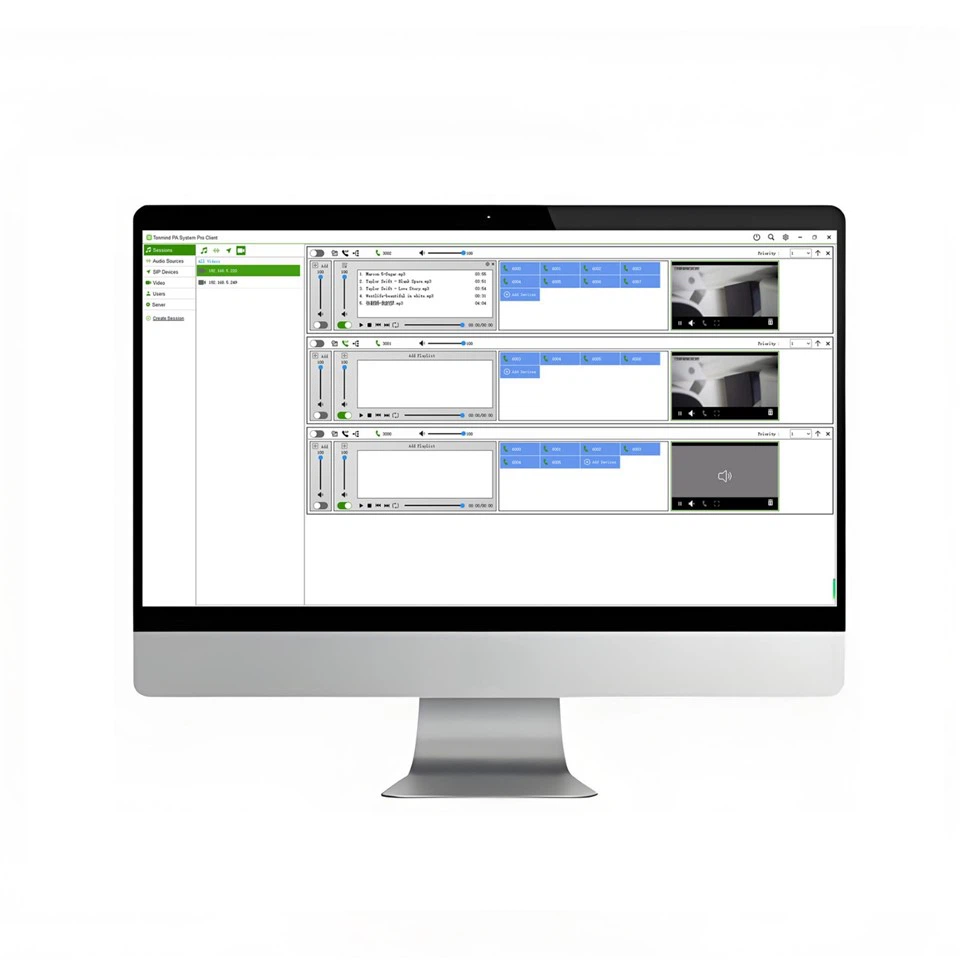

For those who prefer to use a PC for their PA system design, our PA System Software for PC offers a user - friendly interface. You can easily input all the necessary room data and run the simulations. The software provides detailed visualizations of the sound field in the room, including the distribution of direct and reflected sounds. This visual feedback helps you understand how the sound is behaving in the space and make informed decisions about the PA system design.
We also offer a comprehensive PA System Software Package that includes all the advanced features for dealing with room reflections. It has additional tools for fine - tuning the speaker settings, such as equalization and delay adjustment. These tools allow you to optimize the sound quality based on the specific acoustic conditions of the room.
In addition to the technical aspects, our software also takes into account the human perception of sound. It's not just about making the sound technically correct; it's about creating an enjoyable listening experience. The software can simulate how the sound will be perceived by the listeners in different parts of the room, and help you design a PA system that meets the desired audio quality standards.
If you're in the process of designing a PA system and need to account for room reflections, our software is the perfect solution. We've spent years developing and refining our algorithms to ensure accurate and reliable results. Whether you're a professional audio engineer or a DIY enthusiast, our software can help you create a high - quality PA system that sounds great in any room.
If you're interested in learning more about our PA system design software or have any questions about how it accounts for room reflections, we'd love to hear from you. Contact us to start a conversation about your specific needs and see how our software can revolutionize your PA system design process.
References
- Acoustics: Fundamentals and Applications, by Leo L. Beranek
- Sound System Engineering, by Don and Carolyn Davis