

Hey there! As a supplier of Speaker Network Boards, I've seen firsthand how crucial it is to pick the right cable for these boards. In this blog, I'll share some tips on how you can make that selection, so your Speaker Network Boards perform at their best.
Understanding Your Speaker Network Board
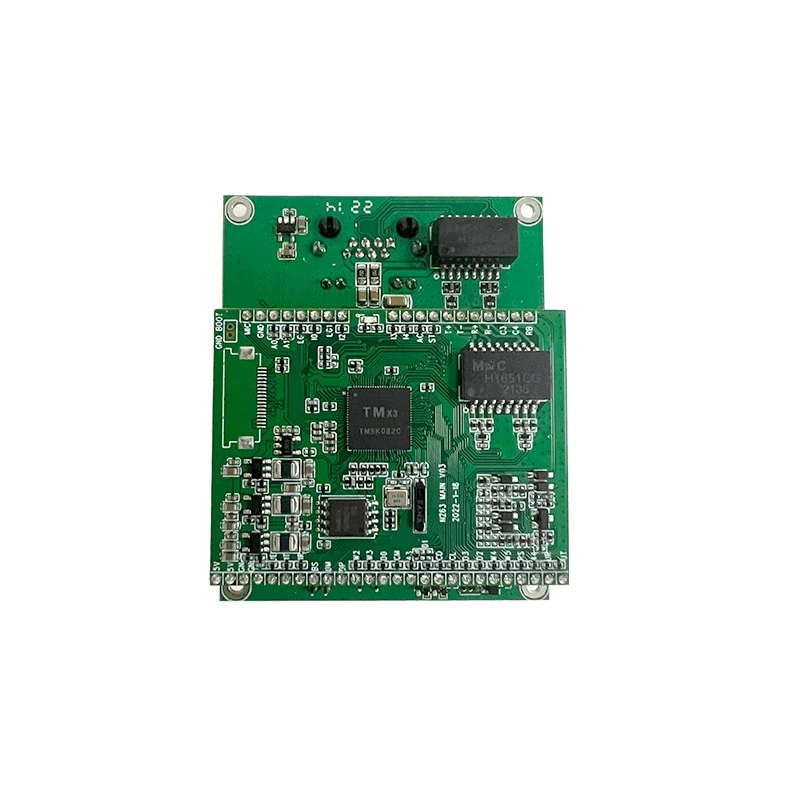
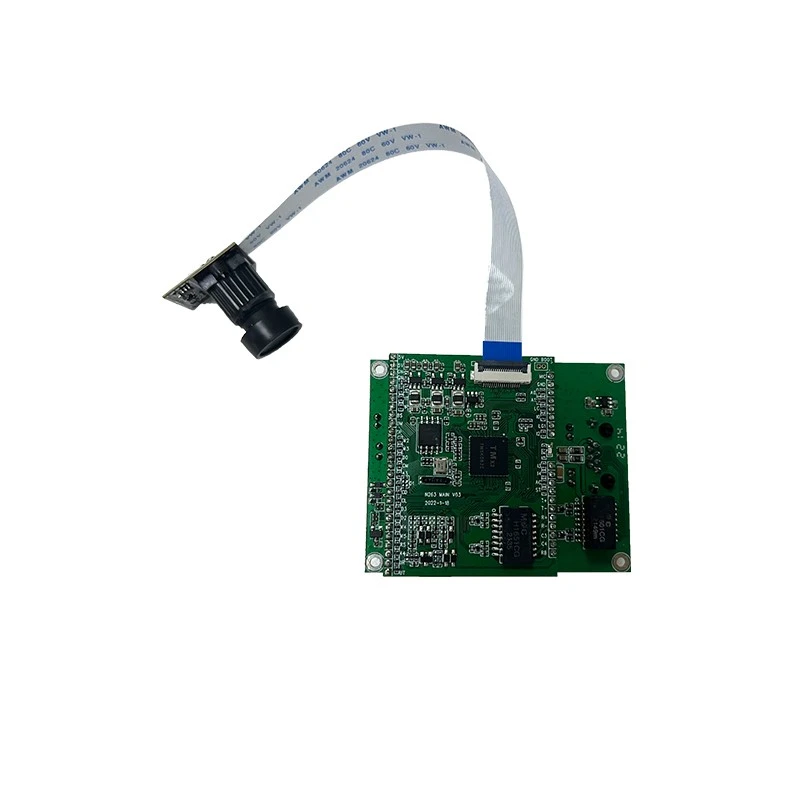
Before you start looking at cables, you need to understand your Speaker Network Board. Different boards have different requirements based on their design, the number of speakers they support, and the power they consume. For example, a board that supports high - end speakers with a lot of power might need a cable that can handle more current without overheating.
If you're dealing with an Intercom Board, it might have specific cable requirements related to its communication features. Intercom systems often need cables that can transmit audio clearly and without interference. Similarly, a VoIP Board used for Voice over Internet Protocol will require cables that are optimized for data and audio transfer, while a SIP PCB Board needs cables that can handle the specific signals of the Session Initiation Protocol.
Cable Types
There are several types of cables you can choose from, and each has its own pros and cons.
1. Coaxial Cables
Coaxial cables are great for long - distance audio transmission. They have a central conductor surrounded by insulation, a metallic shield, and an outer jacket. The shield helps to reduce electromagnetic interference, which is important when you're dealing with audio signals. These cables are commonly used in professional audio setups where you need to run cables over a long distance without losing signal quality. However, they can be a bit bulky and expensive compared to other types of cables.
2. Twisted - Pair Cables
Twisted - pair cables consist of two insulated copper wires twisted together. They're commonly used in Ethernet networks and are also suitable for some Speaker Network Boards, especially those that are part of an IP - based system. Twisted - pair cables are relatively inexpensive, easy to install, and flexible. But they might not be the best choice for high - power audio applications as they have limitations in terms of the amount of current they can carry.
3. Optical Cables
Optical cables use light to transmit signals. They offer excellent signal quality and are immune to electromagnetic interference. These cables are great for high - end audio systems where you want to ensure the purest audio possible. However, they're more expensive than copper cables and require special connectors.
Cable Specifications
Once you've decided on the type of cable, you need to look at the cable specifications.
1. Gauge
The gauge of a cable refers to its thickness. A lower gauge number means a thicker cable. Thicker cables can carry more current without significant voltage drop. If your Speaker Network Board requires a lot of power, you'll need a cable with a lower gauge. For example, a 12 - gauge cable can handle more power than a 16 - gauge cable.
2. Impedance
Impedance is the opposition to the flow of an alternating current in a cable. It's important to match the impedance of the cable with the impedance of your Speaker Network Board and speakers. Mismatched impedance can lead to signal loss and poor audio quality. Most audio equipment is designed to work with a specific impedance, usually 4, 8, or 16 ohms.
3. Length
The length of the cable also matters. Longer cables have more resistance, which can cause a voltage drop. If you need to run a cable over a long distance, you might need to choose a thicker cable (lower gauge) to compensate for the increased resistance.
Compatibility
Another important factor is compatibility. Make sure the cable you choose is compatible with your Speaker Network Board and the speakers. Check the connectors on the board and the speakers. Common connectors include RCA, XLR, and banana plugs. You'll need a cable with the right connectors at both ends.
Also, consider the software and hardware requirements of your system. Some Speaker Network Boards might require cables that support specific protocols or features. For example, if your board is part of a digital audio system, you'll need a cable that can handle digital signals.
Quality and Brand
Don't skimp on quality. A high - quality cable will last longer and provide better performance. Look for cables from reputable brands. Well - known brands often have better quality control and use higher - grade materials. You can read reviews from other users to get an idea of the quality of different cables.
Cost - Benefit Analysis
Of course, cost is always a factor. You don't want to overspend on cables, but you also don't want to buy cheap cables that will affect the performance of your Speaker Network Board. Do a cost - benefit analysis. Compare the prices of different cables based on their specifications and quality. Sometimes, spending a little more on a better - quality cable can save you money in the long run by reducing the need for replacements.
Conclusion
Selecting the right cable for your Speaker Network Board is a crucial step in ensuring optimal performance. By understanding your board's requirements, choosing the right cable type, paying attention to cable specifications, ensuring compatibility, and considering quality and cost, you can make an informed decision.
If you're in the market for Speaker Network Boards or need more advice on cable selection, feel free to reach out. We're here to help you find the best solutions for your audio needs. Whether you're setting up a small home audio system or a large - scale professional installation, we've got the expertise to guide you through the process. Let's start a conversation and get your audio system up and running smoothly!
References
- Audio Engineering Society (AES) publications on cable selection for audio systems.
- Manufacturer's manuals for Speaker Network Boards, Intercom Boards, VoIP Boards, and SIP PCB Boards.