

Setting up an intercom board in a multi - story building is a complex yet rewarding task. As an experienced Intercom Board supplier, I've witnessed firsthand the benefits that a well - installed intercom system can bring to a multi - story building, from enhanced security to improved communication among residents or tenants. In this blog, I'll guide you through the process of setting up an intercom board in a multi - story building, covering everything from planning to installation and maintenance.
Planning the Intercom System
The first step in setting up an intercom board in a multi - story building is planning. This stage is crucial as it lays the foundation for a successful installation.
Assessing the Building's Needs
Before you start selecting an intercom system, you need to understand the specific needs of the building. Consider factors such as the number of floors, the number of units per floor, and the type of access control required. For example, a high - end residential building may require a more sophisticated intercom system with video capabilities and integration with other security systems, while a commercial building may prioritize functionality and ease of use.
Choosing the Right Intercom Board
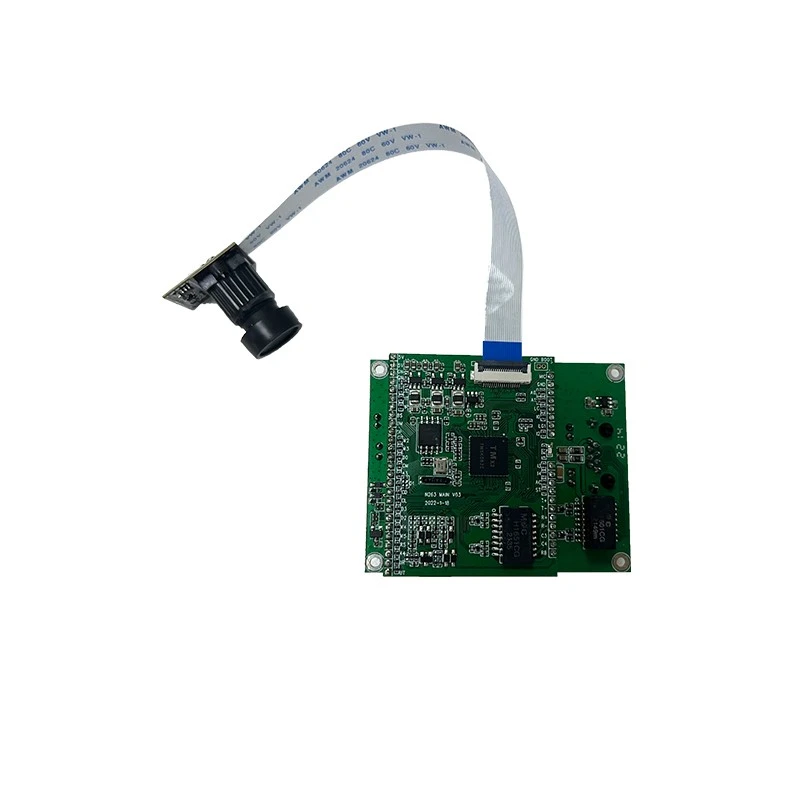
Once you've assessed the building's needs, it's time to choose the right intercom board. There are several types of intercom boards available on the market, each with its own features and capabilities. You can explore our Intercom Board options, which are designed to meet a wide range of requirements. Look for a board that offers reliable communication, easy installation, and compatibility with other components of the intercom system.
Designing the System Layout
After selecting the intercom board, you need to design the system layout. This involves determining the placement of the main intercom panel, door stations, and individual unit stations. The main intercom panel is usually located at the building's entrance, while door stations are installed at each entrance door. Individual unit stations are placed inside each unit, allowing residents or tenants to communicate with visitors at the entrance.
Installing the Intercom System
Once the planning phase is complete, it's time to start the installation process.
Preparing the Installation Site
Before installing the intercom system, you need to prepare the installation site. This includes ensuring that the electrical wiring is in place and that the mounting locations are suitable for the intercom components. Make sure to follow all local electrical codes and regulations during this process.
Mounting the Intercom Components
The next step is to mount the intercom components. Start by installing the main intercom panel at the building's entrance. Make sure it is securely mounted and that the wiring is properly connected. Then, install the door stations at each entrance door and the individual unit stations inside each unit.
Connecting the Wiring
After mounting the components, you need to connect the wiring. This includes connecting the main intercom panel to the door stations and individual unit stations, as well as connecting the power supply. Use high - quality wiring to ensure reliable communication and to prevent interference.
Testing the System
Once the wiring is connected, it's important to test the system. This involves checking the communication between the main intercom panel, door stations, and individual unit stations. Make sure that all components are functioning properly and that the audio and video quality is clear.

Integrating Additional Components
In addition to the basic intercom system, you may want to integrate additional components to enhance its functionality.
Speaker Network Board
A Speaker Network Board can be integrated into the intercom system to provide a more comprehensive audio solution. This board allows for the distribution of audio signals throughout the building, ensuring that announcements can be heard clearly in all areas.
Intercom PCB
An Intercom PCB is another important component that can be integrated into the intercom system. It provides the necessary circuitry for the intercom board to function properly and can also be customized to meet specific requirements.
Maintenance and Troubleshooting
Once the intercom system is installed and integrated, it's important to perform regular maintenance to ensure its long - term reliability.
Regular Inspections
Schedule regular inspections of the intercom system to check for any signs of wear and tear. This includes checking the wiring, components, and connections. Replace any damaged or worn - out parts as soon as possible to prevent further problems.
Software Updates
Keep the intercom system's software up - to - date to ensure that it has the latest features and security patches. Most modern intercom systems can be updated remotely, making it easy to maintain the system's performance.
Troubleshooting Common Issues
Even with regular maintenance, issues may still arise with the intercom system. Common problems include poor audio or video quality, communication failures, and power issues. When troubleshooting these issues, start by checking the basic components such as the wiring and connections. If the problem persists, consult the system's user manual or contact a professional technician.
Conclusion
Setting up an intercom board in a multi - story building is a comprehensive process that requires careful planning, proper installation, and regular maintenance. By following the steps outlined in this blog, you can ensure that your intercom system provides reliable communication and enhanced security for the building's residents or tenants.
If you're interested in purchasing an intercom board or have any questions about setting up an intercom system, I encourage you to reach out. Our team of experts is ready to assist you in finding the right solution for your multi - story building. Contact us to start a procurement discussion and take the first step towards a more secure and connected building.
References
- Building Security Handbook: Best Practices for Design and Implementation
- Intercom System Installation Guide: A Practical Approach