

As a seasoned supplier of Intercom Boards, I've witnessed firsthand the critical role that environmental conditions play in the performance, longevity, and reliability of these essential communication devices. In a factory setting, where the environment can be harsh and unpredictable, understanding and meeting the environmental requirements for an Intercom Board is paramount. This blog post will delve into the key environmental factors that manufacturers need to consider when deploying Intercom Boards in a factory environment.
Temperature
Temperature is one of the most significant environmental factors that can affect the performance of an Intercom Board. Extreme temperatures can cause components to expand or contract, leading to mechanical stress, electrical failures, and reduced lifespan. In a factory, temperatures can vary widely depending on the type of manufacturing process, the location of the facility, and the time of year.
Most Intercom Boards are designed to operate within a specific temperature range, typically between -20°C to 60°C (-4°F to 140°F). However, in some industrial applications, such as foundries, steel mills, or food processing plants, temperatures can exceed these limits. In such cases, it's essential to choose an Intercom Board that is specifically designed to withstand high or low temperatures.
For high-temperature environments, look for Intercom Boards that are equipped with heat sinks, fans, or other cooling mechanisms to dissipate heat and prevent overheating. These boards may also be constructed using high-temperature-resistant materials, such as ceramic or fiberglass, to ensure long-term reliability.
In low-temperature environments, Intercom Boards may require additional insulation or heating elements to maintain optimal operating temperatures. Some boards are designed with built-in heaters or temperature sensors to automatically adjust the temperature as needed.
Humidity
Humidity is another critical environmental factor that can affect the performance of an Intercom Board. High humidity levels can cause corrosion, short circuits, and other electrical problems, while low humidity levels can lead to static electricity buildup, which can damage sensitive electronic components.
In a factory setting, humidity levels can vary depending on the type of manufacturing process, the ventilation system, and the location of the facility. Most Intercom Boards are designed to operate within a relative humidity range of 10% to 90%, non-condensing. However, in some industrial applications, such as chemical plants or paper mills, humidity levels can be much higher.
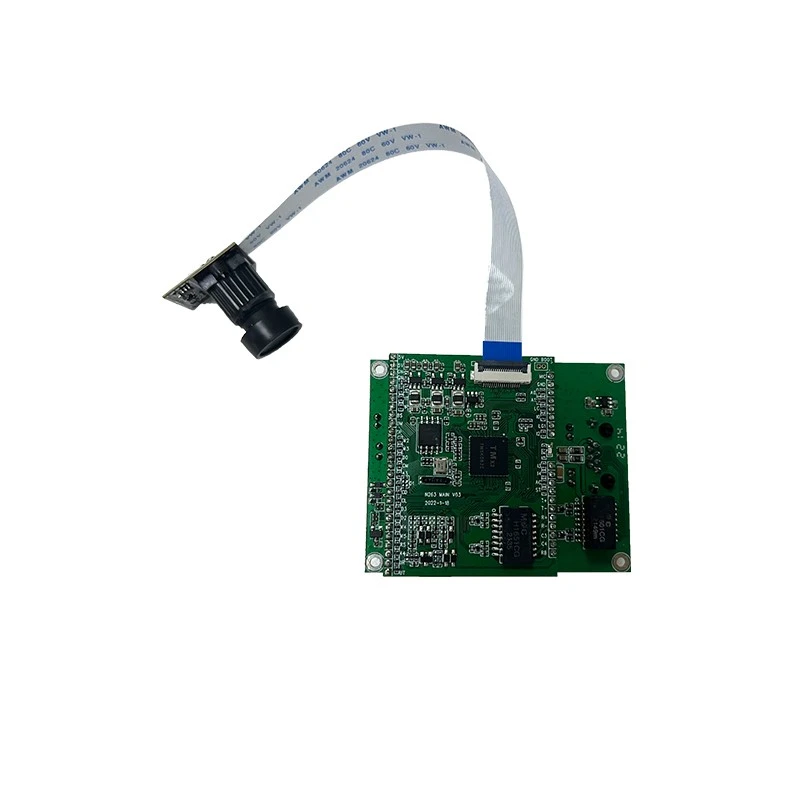

To protect Intercom Boards from the effects of humidity, it's essential to choose boards that are sealed or coated to prevent moisture from entering the enclosure. These boards may also be equipped with desiccants or moisture sensors to monitor and control humidity levels.
In high-humidity environments, it may be necessary to install a dehumidifier or ventilation system to reduce humidity levels and prevent condensation from forming on the Intercom Board. Conversely, in low-humidity environments, a humidifier may be required to maintain optimal humidity levels and prevent static electricity buildup.
Dust and Debris
Dust and debris are common contaminants in a factory environment, and they can pose a significant threat to the performance and reliability of an Intercom Board. Dust can accumulate on the surface of the board, blocking ventilation holes and preventing heat from dissipating. Debris, such as metal shavings or plastic particles, can also cause short circuits or mechanical damage to the board.
To protect Intercom Boards from dust and debris, it's essential to choose boards that are enclosed in a dust-tight or waterproof enclosure. These enclosures may be made of metal, plastic, or other materials that are resistant to dust and debris.
In addition to using a protective enclosure, it's also important to regularly clean the Intercom Board to remove any dust or debris that may have accumulated. This can be done using a soft brush or compressed air to gently blow away the dust.
Vibration and Shock
Vibration and shock are common hazards in a factory environment, especially in areas where heavy machinery or equipment is in use. Excessive vibration and shock can cause components to loosen, break, or malfunction, leading to communication failures and downtime.
To protect Intercom Boards from the effects of vibration and shock, it's essential to choose boards that are designed to withstand these conditions. These boards may be equipped with shock absorbers, vibration dampeners, or other mounting hardware to reduce the impact of vibration and shock.
In addition to using vibration-resistant mounting hardware, it's also important to install the Intercom Board in a location that is away from sources of vibration and shock. This may require mounting the board on a separate wall or using vibration isolation pads to reduce the transfer of vibration from the machinery to the board.
Electromagnetic Interference (EMI)
Electromagnetic interference (EMI) is a common problem in a factory environment, where there are many sources of electromagnetic radiation, such as motors, generators, and power lines. EMI can cause communication disruptions, data errors, and other problems with the Intercom Board.
To protect Intercom Boards from the effects of EMI, it's essential to choose boards that are designed to be EMI-resistant. These boards may be equipped with shielding, filters, or other components to reduce the impact of EMI.
In addition to using EMI-resistant boards, it's also important to install the Intercom Board in a location that is away from sources of EMI. This may require routing cables away from power lines and other sources of electromagnetic radiation or using shielded cables to reduce the impact of EMI.
Conclusion
In conclusion, the environmental requirements for an Intercom Board in a factory setting are complex and varied. Temperature, humidity, dust and debris, vibration and shock, and electromagnetic interference are all critical factors that can affect the performance, longevity, and reliability of these essential communication devices.
As a supplier of Intercom Boards, we understand the importance of meeting these environmental requirements and ensuring that our products are designed to withstand the harsh conditions of a factory environment. Our Intercom Board is engineered to provide reliable communication in even the most challenging industrial settings, with features such as high-temperature resistance, humidity protection, dust and debris resistance, vibration and shock resistance, and EMI shielding.
If you're in the market for an Intercom Board for your factory, we invite you to contact us to learn more about our products and how they can meet your specific environmental requirements. Our team of experts is available to answer your questions and provide you with the information you need to make an informed decision.
References
- Manufacturer's specifications for Intercom Boards
- Industry standards for environmental requirements in industrial settings
- Research studies on the effects of environmental factors on electronic components