

In the dynamic landscape of modern electronics, System in Package (SIP) PCB boards have emerged as a revolutionary technology, offering a compact and efficient solution for integrating multiple electronic components into a single package. As a leading SIP PCB Board supplier, I am excited to delve into the international standards that govern these innovative boards, ensuring their quality, reliability, and compatibility across diverse applications.
Understanding SIP PCB Boards
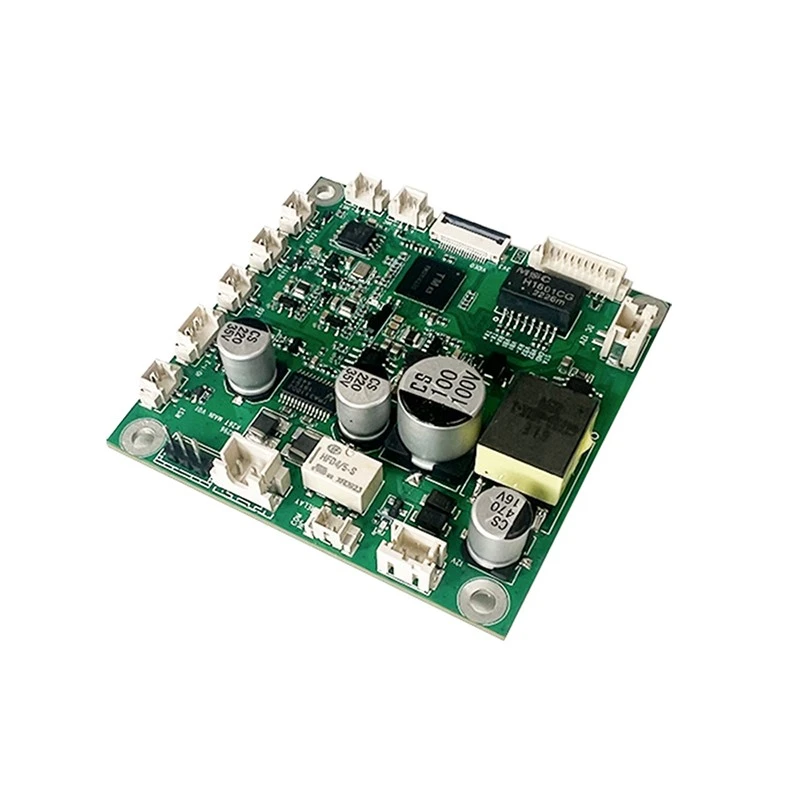
Before we explore the international standards, let's briefly understand what SIP PCB boards are. SIP technology combines multiple integrated circuits (ICs), passive components, and sometimes even discrete components into a single package. This integration reduces the overall size of the electronic system, improves electrical performance, and simplifies the manufacturing process. SIP PCB boards are widely used in various industries, including telecommunications, consumer electronics, automotive, and medical devices.
Importance of International Standards
International standards play a crucial role in the development, manufacturing, and testing of SIP PCB boards. These standards ensure that the boards meet specific quality, safety, and performance requirements, making them suitable for global markets. By adhering to international standards, SIP PCB Board suppliers can guarantee the reliability and compatibility of their products, which is essential for building trust with customers and ensuring the success of electronic systems.
Key International Standards for SIP PCB Boards
IPC Standards
The Institute for Printed Circuits (IPC) is a global organization that develops and maintains standards for the printed circuit board industry. IPC standards cover a wide range of topics, including design, manufacturing, assembly, and testing of PCB boards. For SIP PCB boards, the following IPC standards are particularly relevant:
-
IPC-2221A: Generic Standard on Printed Board Design
This standard provides guidelines for the design of printed circuit boards, including SIP PCB boards. It covers aspects such as layer stack-up, trace width and spacing, hole sizes, and component placement. By following these guidelines, designers can ensure that the SIP PCB boards are manufacturable, reliable, and meet the electrical requirements of the application. -
IPC-6012D: Qualification and Performance Specification for Rigid Printed Boards
This standard defines the requirements for the qualification and performance of rigid printed circuit boards, including SIP PCB boards. It includes tests for electrical, mechanical, and chemical properties, as well as environmental testing to ensure the boards can withstand harsh conditions. Compliance with IPC-6012D ensures that the SIP PCB boards are of high quality and can meet the demands of various applications. -
IPC-A-610E: Acceptability of Electronic Assemblies
This standard provides criteria for the inspection and acceptance of electronic assemblies, including SIP PCB boards. It covers aspects such as component placement, soldering quality, and cleanliness. By using IPC-A-610E as a reference, manufacturers can ensure that the SIP PCB boards are assembled correctly and meet the required quality standards.
JEDEC Standards
The Joint Electron Device Engineering Council (JEDEC) is an industry organization that develops standards for semiconductor and electronic components. JEDEC standards are widely used in the electronics industry to ensure the compatibility and interoperability of electronic devices. For SIP PCB boards, the following JEDEC standards are relevant:
-
JEDEC J-STD-001F: Requirements for Soldered Electrical and Electronic Assemblies
This standard defines the requirements for soldered electrical and electronic assemblies, including SIP PCB boards. It covers aspects such as solder paste application, reflow soldering, and wave soldering. Compliance with JEDEC J-STD-001F ensures that the SIP PCB boards have reliable solder joints, which is essential for the electrical performance and long-term reliability of the boards. -
JEDEC JESD22: Environmental and Reliability Testing Methods for Semiconductor Devices
This standard provides methods for environmental and reliability testing of semiconductor devices, which are often integrated into SIP PCB boards. It includes tests for temperature cycling, humidity, vibration, and shock. By subjecting the SIP PCB boards to these tests, manufacturers can ensure that the boards can withstand the environmental conditions and mechanical stresses they may encounter in real-world applications.
ISO Standards
The International Organization for Standardization (ISO) is a global organization that develops and publishes international standards. ISO standards cover a wide range of industries and topics, including quality management, environmental management, and safety. For SIP PCB Board suppliers, the following ISO standards are relevant:
-
ISO 9001:2015: Quality Management Systems
This standard provides a framework for implementing a quality management system (QMS) in an organization. By obtaining ISO 9001 certification, SIP PCB Board suppliers can demonstrate their commitment to quality and continuous improvement. A QMS helps ensure that the manufacturing processes are well-defined, controlled, and monitored, resulting in high-quality SIP PCB boards. -
ISO 14001:2015: Environmental Management Systems
This standard provides a framework for implementing an environmental management system (EMS) in an organization. By obtaining ISO 14001 certification, SIP PCB Board suppliers can demonstrate their commitment to environmental sustainability. An EMS helps ensure that the manufacturing processes are environmentally friendly, reducing the impact on the environment.
Benefits of Adhering to International Standards
Adhering to international standards offers several benefits for SIP PCB Board suppliers and their customers. These benefits include:
- Quality Assurance: International standards provide a set of guidelines and requirements for the design, manufacturing, and testing of SIP PCB boards. By following these standards, suppliers can ensure that their products are of high quality and meet the expectations of their customers.
- Compatibility and Interoperability: International standards ensure that the SIP PCB boards are compatible with other electronic components and systems. This compatibility is essential for the seamless integration of SIP PCB boards into larger electronic systems, reducing the risk of compatibility issues and improving the overall performance of the system.
- Global Market Access: Adhering to international standards makes it easier for SIP PCB Board suppliers to access global markets. Many customers, especially in regulated industries such as automotive and medical devices, require their suppliers to comply with international standards. By meeting these requirements, suppliers can expand their customer base and increase their market share.
- Risk Reduction: International standards help reduce the risk of product failures and recalls. By following the design, manufacturing, and testing guidelines, suppliers can identify and address potential issues early in the development process, reducing the likelihood of costly failures and recalls.
Our Commitment to International Standards
As a SIP PCB Board supplier, we are committed to adhering to international standards in all aspects of our business. Our design team follows the IPC standards for PCB design, ensuring that our SIP PCB boards are manufacturable, reliable, and meet the electrical requirements of the application. Our manufacturing processes are certified to ISO 9001:2015 and ISO 14001:2015, demonstrating our commitment to quality and environmental sustainability.
We also conduct extensive testing on our SIP PCB boards to ensure that they meet the requirements of the relevant international standards. Our testing facilities are equipped with state-of-the-art equipment, allowing us to perform electrical, mechanical, and environmental tests to ensure the reliability and performance of our products.

Conclusion
In conclusion, international standards play a crucial role in the development, manufacturing, and testing of SIP PCB boards. By adhering to these standards, SIP PCB Board suppliers can ensure the quality, reliability, and compatibility of their products, making them suitable for global markets. As a leading SIP PCB Board supplier, we are committed to following international standards and providing our customers with high-quality SIP PCB boards that meet their specific requirements.
If you are interested in learning more about our SIP PCB boards or have any questions about the international standards, please feel free to contact us. We would be happy to discuss your needs and provide you with a customized solution.
References
- Institute for Printed Circuits (IPC). (n.d.). IPC Standards. Retrieved from https://www.ipc.org/Standards
- Joint Electron Device Engineering Council (JEDEC). (n.d.). JEDEC Standards. Retrieved from https://www.jedec.org/standards-documents
- International Organization for Standardization (ISO). (n.d.). ISO Standards. Retrieved from https://www.iso.org/standards.html