


TONMIND focuses on network audio technology. Through continuous technological innovation, Tonmind has been exploring improvements and breakthroughs in product performance, committed to supplying cost-effective, consistent, and reliable IP audio solutions to customers.
Why Choose Us
Customer Satisfaction
Providing after-sales services can enhance customer satisfaction by ensuring that customers' needs are met even after the purchase. This can lead to increased customer loyalty and positive word-of-mouth referrals.
Quality control
In the processing of production, our professional technical engineers inspect the processing to ensure the quality of products,After our machine finish , our engineer will make 24 hours test constantly and ensure the machine reach to the best performance.
One-stop Solution
With rich experience and one-to-one service,we can help you choose products and answer technical questions.
Custom Service
We offer OEM/ODM customization services that allow customers to make tailored requests for our software and audio products. This flexibility ensures that you get the best products suited for your specific applications.
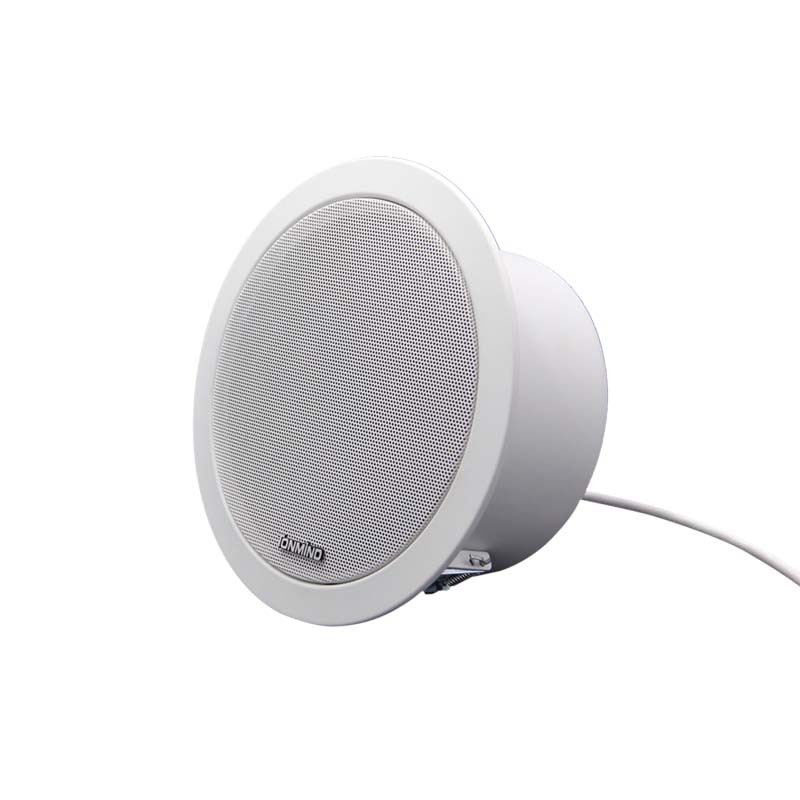
15W IP Ceiling Speaker with MIC, support SIP&ONVIF
Item NO.: SIP-S01M
Features: 15W, PoE, SIP & ONVIF Compatibility, Buil-in MIC, HTTP API, Pre-recorded Messages, 48K OPUS Audio Codec, HD Broadcast.
Payment: T/T, Western Union, PayPal
Original: China
Color: White

15W IP Ceiling Speaker, support SIP&ONVIF
Item NO.: SIP-S01
Features: 15W, PoE, SIP&ONVIF, Alarm In, Schedule, 48K OPUS Audio Codec, Http Url.
Payment: T/T, Western Union, PayPal
Original: China
Color: White

50W IP Ceiling Speaker, support SIP&ONVIF
Item NO.: SIP-S02
Features: 50W, PoE, SIP & ONVIF Compatibility, HTTP API, Pre-recordedMessages, 48K OPUS Audio Codec, HD Broadcast.
Payment: T/T, Western Union, PayPal
Original: China
Color: White
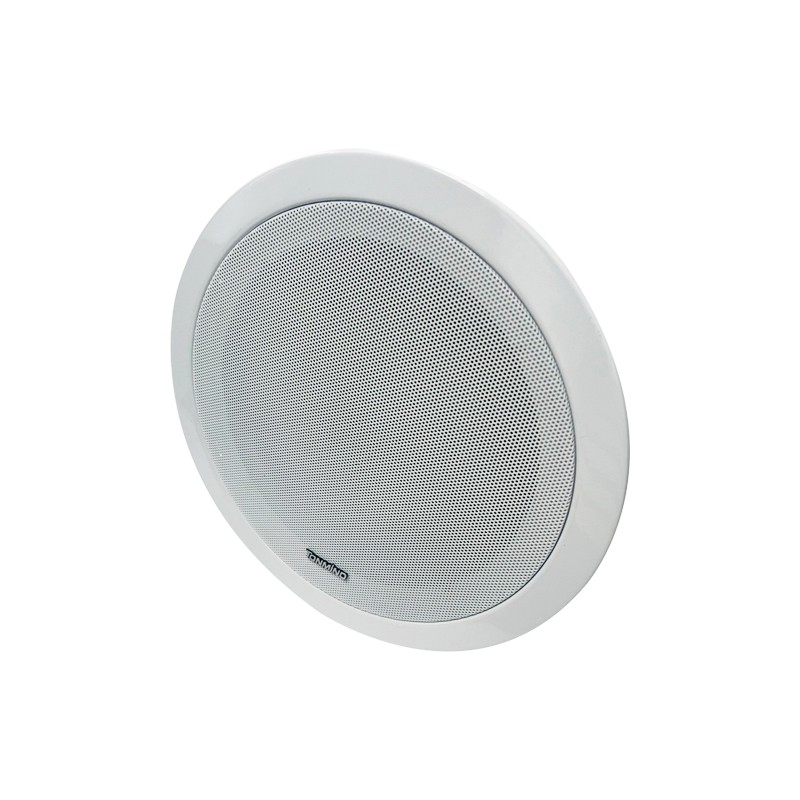
30W IP Ceiling Speaker, support SIP&ONVIF
Item NO.: SIP-S03T
Features: 30W, PoE, SIP & ONVIF Compatibility, HTTP API, Alarm in, Audio in, Pre-recorded Messages, 48K OPUS Audio Codec, HD Broadcast
Payment: T/T, Western Union, PayPal
Original: China
Color: White

30W IP Ceiling Speaker with MIC, support SIP&ONVIF
Item NO.: SIP-S03M
Features: 30W, PoE, SIP & ONVIF Compatibility, HTTP API, Alarm in, Audio in, Pre-recorded Messages, 48K OPUS Audio Codec, HD Broadcast
Payment: T/T, Western Union, PayPal
Original: China
Color: White
Active ceiling speakers, also known as powered speakers or often referred to simply as Bluetooth ceiling speakers, come with an in-built amplifier.
Benefits of VoIP Ceiling Speaker
They Reduce Room Clutter
In-ceiling speakers not only provide you with improved sound so you do not miss a moment of your favorite media but also reduce room clutter. You may remember the size of indoor speakers even as late as the 1990s and the space they required. Even those designed to rest in corners took up room, but with in-ceiling speakers, you have the advantage of improved sound quality when creating a home theater without the clutter.
Placement Flexibility
When setting up a system that includes new home audio speakers, choosing an in-ceiling design can give you greater flexibility when setting up your space. You can choose nearly any location within the ceiling and create your seating setup around them. Remember that most speakers need to sit at least 24 inches away from the walls to prevent echoes and overall sound interruption.
Wireless Capability
Thanks to today's wireless technology, you can include your new speakers in a whole-house audio system that operates on your home's internet via Bluetooth. This allows you to control the speakers with a phone app or other smart system. This provides you with the convenience of voice or one-touch operation of your speakers the whole family will enjoy.
Speaker Size
The most common sizes of ceiling speaker are either 6.5 or 8-inch. The size refers to the size of the cone, not the overall size of the speaker. The 6.5-inch makes for a very practical and versatile speaker and is ideal for small to medium-sized spaces.
When you upgrade to an 8-inch, it makes a considerable difference to the bass. With bigger drivers, the ceiling speaker can push out more air which enables the sound to travel further in the space.
That is why we recommend as the size of the space increases, start considering upgrading from 6.5 to 8-inch speakers so that the sound can be heard clearly from a larger proportion of the room. Be aware that 8-inch speakers will be more visually noticeable than a 6.5-inch.
We also supply 3-inch speakers which are designed to blend in with halogen lights but being smaller speakers, the depth of sound will be limited here. Consider whether you prefer your speakers to be out of sight or output superior sound clarity.
How to choose the right speakers
To create a full-fledged 7.2.4 Dolby Atmos home theater environment with "hidden" speakers, it requires a combination of both in-wall and in-ceiling speakers. The seven speakers that make up the "7" in 7.2.4 include the Front Left, Center, Front Right, Surround Right, Surround Left, Rear Right, and Rear Left speakers placed around the perimeter walls of a room. These would all typically be in-wall speakers if the desire is to not have any exposed floorstanding or surface mounted speakers on the walls. The ".2" refers to two discrete subwoofers. Finally, the ".4" refers to in-ceiling speakers. They are classified as "Atmos Height Channels" that refers specifically to two pairs of overhead speakers that create the enhanced immersive experience that Dolby Atmos is known for. While considered the pinnacle of most home-theater configurations, 7.2.4 isn't the only way to deploy this combination effect.
Another common setup is 5.1.2 which features one less pair of in-wall surround channels, one less subwoofer, and one less pair of overhead height channels.
In terms of sound quality, both in-ceiling and in-wall speakers can offer excellent performance, but there are some differences to consider. In-ceiling speakers are typically better at creating an immersive, surround-sound experience, while in-wall speakers may be better suited for delivering crisp, clear sound for music or dialogue. This is because in-wall speakers are mounted at ear level, which can provide a more direct and focused sound. In-ceiling speakers are often designed with a wider dispersion pattern to create a more diffuse sound that fills the room. This is why in-wall speakers are more commonly used for the front left, right and center soundstage and in-ceiling speakers are typically designated as height channels. This ultimately depends on the specific models of speakers you choose, but it's important to keep these differences in mind when making your selection.
Ceiling speaker features
Direct your high frequencies
Many ceiling speakers offer a tweeter that can be rotated. Instead of sound going in one fixed direction, it can be directed towards you for better performance.
Get stereo sound from a single speaker
Sometimes you want music overhead but just have room for one speaker. Stereo input speakers play both the left and right channels of music in a single location. They are a great way to add music to small spaces. Or you may want several of these in a room that's not well suited for stereo pairs.
Use a moisture-resistant speaker in your bathroom
Some speakers use heavy-duty materials that hold better up in humid environments. They are perfect for withstanding steam in the bathroom or kitchen. You can even use them in the ceiling of a covered porch for music outside.
Self-enclosed speakers
Most in-ceiling speakers only require a few inches of mounting depth. But some are 8 or 9 inches deep, because they have extra large woofers or they have enclosures (back boxes) built around them. Enclosed speakers offer excellent bass performance. But the extra depth can pose a fit problem in some homes. Check the speaker measurements to make sure they will fit between your ceiling and the floor above.
Planning and Preparation:
Before diving into the installation process, it's essential to plan and prepare meticulously. This step will lay the foundation for a successful and efficient installation:
a. Determine Speaker Locations:
Evaluate the room's layout and identify the optimal locations for your ceiling speakers, considering factors such as seating arrangements, room acoustics, and speaker dispersion patterns.
Utilize online speaker placement calculators or consult with professionals to ensure proper speaker positioning.
b. Choose the Right Speakers:
Select ceiling speakers that suit your audio requirements, taking into account factors such as power handling, frequency response, and sensitivity.
Consider the room size, intended usage (e.g., home theater, music listening), and your personal preferences when choosing the speakers.
c. Gather Necessary Tools and Materials:
Assemble the required tools, including a drywall saw or rotary tool, wire strippers, fish tape or rods, and any necessary hardware or mounting accessories.
Ensure you have enough speaker wire, connectors, and any additional materials recommended by the speaker manufacturer.
d. Check for Obstructions:
Before cutting any holes, use a stud finder or other detection methods to identify potential obstructions such as electrical wiring, pipes, or structural beams within the ceiling.
Adjust your speaker locations accordingly to avoid any potential hazards or complications.
Preparing the Installation Site:
With proper planning and preparation complete, it's time to get the installation site ready for the next steps:
a. Clear the Work Area:
Remove any furniture or obstructions from the work area to create a clear and safe space for the installation process.
Cover nearby surfaces with drop cloths or plastic sheeting to protect against dust and debris.
b. Locate Ceiling Joists:
Use a stud finder or other detection methods to accurately locate the ceiling joists, as these will provide the necessary support for your ceiling speakers.
Mark the joist locations on the ceiling for reference during the installation process.
c. Plan Wiring Routes:
Determine the best routes for running the speaker wires, considering factors such as accessibility, aesthetics, and potential obstructions.
Plan for future wire management and concealment options, such as in-wall or in-ceiling cable runs.
d. Prepare Electrical Connections:
Identify the power source for your speakers, whether it's an amplifier, receiver, or dedicated speaker wire run.
Ensure that the power source is properly grounded and meets the necessary electrical requirements for your speaker system.
Cutting Speaker Openings:
With the installation site prepared, it's time to create the openings for your ceiling speakers. This step requires precision and care to ensure a clean and secure installation:
a. Mark Speaker Cutouts:
Using the provided templates or precise measurements, mark the cutout locations on the ceiling, ensuring proper alignment and spacing.
Double-check your measurements and markings to avoid any mistakes.
b. Cutting Techniques:
For drywall ceilings, use a drywall saw or rotary tool with a specialized cutting bit to create clean and accurate cutouts.
Follow the manufacturer's instructions and safety guidelines when operating cutting tools.
c. Maintain Proper Clearance:
Ensure that there is sufficient clearance around the cutout for the speaker's mounting mechanism and any necessary wiring or connections.
Avoid cutting too close to ceiling joists or other obstructions identified during the planning phase.
d. Clean the Cutout Area:
Remove any loose debris or material from the cutout and surrounding area, ensuring a clean surface for the speaker installation.
Vacuum or wipe down the area to prepare for the next step.
Wiring and Speaker Installation:
With the cutouts prepared, it's time to run the speaker wires and install the ceiling speakers themselves:
a. Run Speaker Wires:
Carefully run the speaker wires through the planned routes, using fish tape or rods to navigate through walls or ceiling spaces as needed.
Leave enough slack at both ends for easy connections and future adjustments.
b. Connect Speaker Wires:
Follow the manufacturer's instructions for proper wire connections, ensuring that the polarity (positive and negative terminals) is correctly observed for each speaker.
Use high-quality connectors or terminals to ensure secure and reliable connections.
c. Mount the Speakers:
Carefully insert the speakers into the cutouts, aligning them with the mounting mechanisms or brackets provided.
Secure the speakers using the provided hardware, following the manufacturer's guidelines for a secure and stable installation.
d. Conceal Wiring:
Explore options for concealing the speaker wires, such as using in-wall or in-ceiling cable runs, or employing cable management solutions like raceways or conduits.
Ensure that all wiring is properly secured and protected from potential damage or interference.
Our Factory
XIAMEN TONMIND TECHNOLOGY CO., LTD (TONMIND) is a high-tech company specializing in network audio and IP PA solutions since 2014. With an R&D center in Xiamen Software Center, over 50% of the office staff are professional engineers. TONMIND is dedicated to delivering top-quality IP SIP speakers, IP ONVIF speakers, IP paging microphones, IP PA software, and IP intercom systems with broad applications across various sectors such as schools, retail, malls, commercial buildings, offices, hotels, and hospitals.

Certifications

FAQ
Hot Tags: voip ceiling speaker, China voip ceiling speaker manufacturers, suppliers, factory, ceiling speaker for french restaurant, ceiling speaker for venezuela restaurant, ceiling mount speaker, ceiling speaker for bolivia restaurant, ceiling speaker for japanese restaurant, ceiling speaker for australia restaurant