

Hey there! As a supplier of IP speakers, I often get asked about whether IP speakers are energy - efficient. It's a hot topic, especially in today's world where everyone's looking to cut down on energy costs and be more eco - friendly. So, let's dive right in and explore this question together.
First off, what are IP speakers? Well, IP speakers are network - connected speakers that use Internet Protocol (IP) technology to transmit audio data. They're different from traditional speakers because they can be integrated into a network, allowing for centralized control and management. This feature alone has made them popular in various settings, from large commercial buildings to educational institutions.
Now, let's talk about energy efficiency. Energy efficiency refers to using less energy to perform the same function. In the case of speakers, it means getting high - quality sound output while consuming as little electricity as possible.
One of the big advantages of IP speakers when it comes to energy efficiency is their ability to be powered on demand. Unlike traditional speakers that might need to be constantly powered on to be ready for use, IP speakers can be powered up only when they're needed. For example, in a school, the speakers in the auditorium can be turned off during the day when there are no events and powered on only when a concert or assembly is scheduled. This on - demand power feature can lead to significant energy savings over time.
Another aspect to consider is the power management features built into many IP speakers. Most modern IP speakers come with advanced power management settings. These settings can automatically adjust the speaker's power consumption based on the audio input. If there's no audio signal, the speaker can enter a low - power standby mode, consuming very little energy. When an audio signal is detected, it quickly wakes up and starts playing the sound. This kind of intelligent power management is a game - changer in terms of energy efficiency.
Let's take a look at some real - world examples. In a large office building, a company replaced its old analog public address system with an IP - based Public Address And Voice Evacuation System. The new system included IP speakers throughout the building. After the installation, the company noticed a significant drop in its energy bills. The old system had speakers that were always on, even when there was no need for announcements. The IP speakers, on the other hand, were only active when there were announcements to be made, and they used the power management features to save energy during idle times.
But it's not just about saving on electricity bills. Energy - efficient IP speakers also have a positive impact on the environment. By consuming less energy, they reduce the overall carbon footprint. This is important for companies and organizations that are committed to sustainability. In fact, many green building certifications now require the use of energy - efficient audio systems, and IP speakers fit the bill perfectly.
However, it's important to note that not all IP speakers are created equal when it comes to energy efficiency. Some older models or budget - friendly options might not have the most advanced power management features. So, when choosing IP speakers, it's crucial to do your research and look for models that are known for their energy - saving capabilities.
When evaluating the energy efficiency of IP speakers, you should also consider the overall system design. The way the speakers are configured on the network can affect their energy consumption. For example, if the speakers are placed too far apart or if the network infrastructure is not optimized, it can lead to increased power usage. Working with a professional installer who understands the ins and outs of IP speaker systems can help ensure that the system is set up in the most energy - efficient way possible.
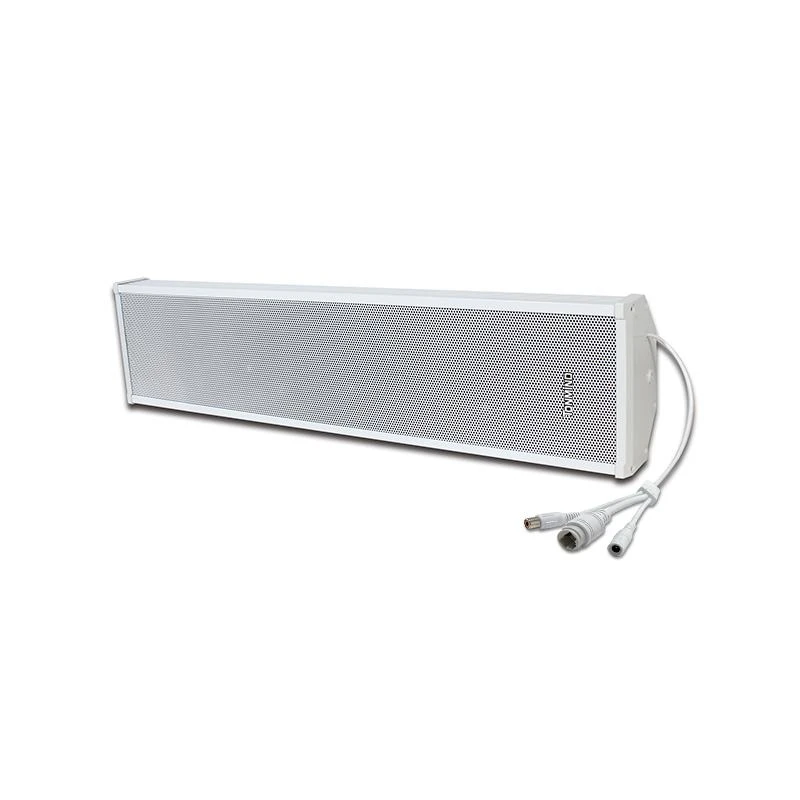

In addition to the power management features, the technology used in the speakers themselves can also impact energy efficiency. High - quality drivers and amplifiers are designed to convert electrical energy into sound energy more efficiently. Some IP speakers use Class - D amplifiers, which are known for their high efficiency. These amplifiers can convert a larger percentage of the electrical power they receive into sound, reducing the amount of wasted energy in the form of heat.
Another factor to consider is the audio streaming protocol used by the IP speakers. Some protocols are more energy - efficient than others. For example, protocols that use compression techniques can reduce the amount of data that needs to be transmitted, which in turn can lower the energy consumption of the network and the speakers.
Now, I know you might be thinking, "This all sounds great, but how much money can I really save?" Well, the savings can vary depending on several factors, such as the size of the system, the usage patterns, and the cost of electricity in your area. However, in general, you can expect to see a noticeable reduction in your energy bills over time. For a medium - sized commercial building, the savings could be in the hundreds or even thousands of dollars per year.
If you're in the market for IP speakers and are interested in energy efficiency, I'd love to have a chat with you. As a supplier, I have a wide range of IP speakers that are not only energy - efficient but also offer high - quality sound. Whether you're looking to upgrade your existing audio system or install a new one, I can help you find the perfect solution for your needs. Contact me, and we can discuss your requirements in detail and see how we can make your audio system more energy - efficient and cost - effective.
In conclusion, IP speakers can be highly energy - efficient, thanks to features like on - demand power, advanced power management, and efficient audio technology. They offer significant benefits in terms of cost savings and environmental sustainability. If you're considering an audio system upgrade, don't overlook the energy - saving potential of IP speakers.
References
- Industry reports on audio system energy efficiency
- Case studies of IP speaker installations in commercial buildings