

In the modern world, intercom systems have become an integral part of many settings, including residential buildings, commercial offices, and industrial facilities. As a leading Intercom Board supplier, I am frequently asked about the capabilities of intercom boards, especially regarding their call recording functionality. In this blog post, I will delve into the question of whether an intercom board can record calls, exploring the technical aspects, legal considerations, and practical applications.
Technical Feasibility of Call Recording on Intercom Boards
Hardware Requirements
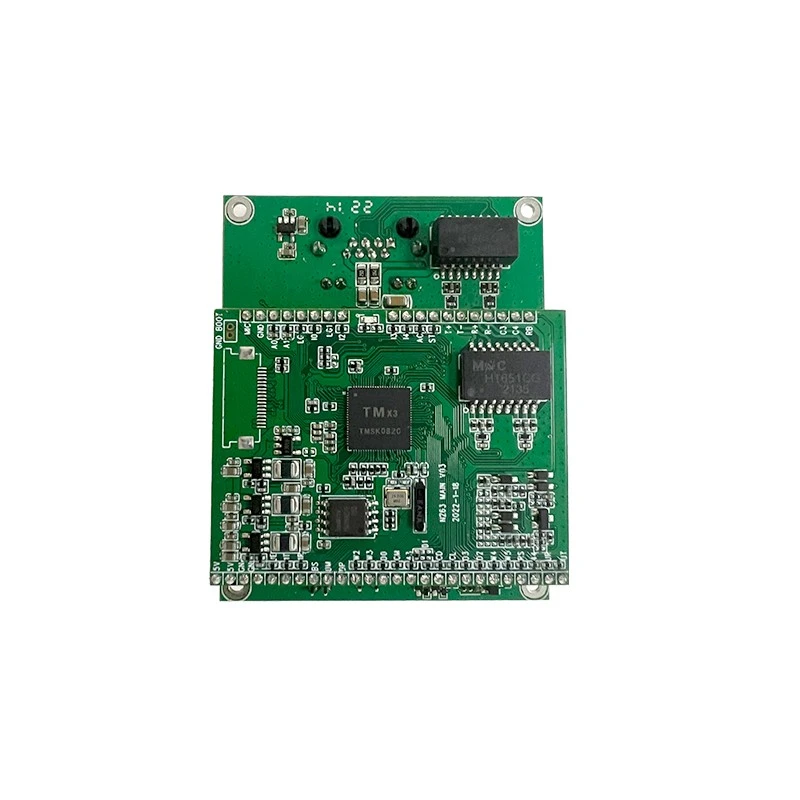
The ability of an intercom board to record calls primarily depends on its hardware configuration. Modern Intercom PCB often come equipped with sufficient processing power and memory to support call recording functions. For example, some high - end intercom PCBs feature powerful microcontrollers that can handle audio encoding and storage tasks efficiently. They may also have dedicated memory modules, such as flash memory, which can store recorded calls for a certain period.
In addition, the presence of audio codecs is crucial for call recording. These codecs are responsible for converting analog audio signals from the intercom's microphone into digital data that can be stored. High - quality codecs can ensure clear and accurate recording of conversations.

Software and Firmware
The software and firmware running on the intercom board play a vital role in enabling call recording. The operating system of the intercom board needs to have the necessary drivers and libraries to support audio capture and storage. Some intercom boards use proprietary firmware that includes call recording features as part of the standard package.
Moreover, the software should provide options for users to configure recording settings, such as the recording format (e.g., MP3, WAV), recording duration, and storage location. Advanced software may also offer features like scheduled recording, selective recording based on certain triggers (e.g., specific keywords), and remote access to recorded calls.
Legal Considerations for Call Recording
Privacy Laws
Before implementing call recording on an intercom board, it is essential to understand and comply with relevant privacy laws. In many countries and regions, recording calls without the consent of all parties involved is illegal. For example, in the United States, some states require "two - party consent," which means that all participants in a call must be aware that the call is being recorded.
As a supplier, we always inform our customers about these legal requirements and provide them with guidelines on how to use the call recording feature legally. We may also offer software options that can prompt users to obtain consent before starting a recording.
Data Security
Another important legal aspect is data security. Recorded calls are considered sensitive information, and proper measures must be taken to protect them from unauthorized access, disclosure, or modification. This includes implementing encryption techniques to secure the stored data, restricting access to the recording system to authorized personnel only, and regularly backing up the data to prevent loss.
Practical Applications of Call Recording on Intercom Boards
Security and Surveillance
One of the most common applications of call recording on intercom boards is for security and surveillance purposes. In a commercial building, for instance, recorded calls can be used to monitor interactions between visitors and employees at the entrance. If there is an incident, such as a theft or a threat, the recorded calls can provide valuable evidence for investigations.
In a residential setting, call recording can enhance the safety of the residents. For example, if there is a suspicious person at the door, the recorded conversation can help the residents and the authorities to identify the individual and understand the situation.
Quality Assurance
In a business environment, call recording can be used for quality assurance. For example, in a customer service center that uses intercom systems for internal communication, recorded calls can be reviewed to ensure that employees are providing high - quality service. Managers can listen to the calls to identify areas for improvement and provide feedback to the employees.
Training and Documentation
Recorded calls can also serve as a valuable training resource. New employees can listen to past calls to learn how to handle different situations and communicate effectively. In addition, the calls can be used for documentation purposes, such as keeping records of important meetings or discussions that take place over the intercom system.
Our Offerings as an Intercom Board Supplier
As a leading supplier of Intercom Board, we offer a range of products that can support call recording. Our VoIP Board solutions, in particular, are designed to provide high - quality audio communication and call recording capabilities.
Our boards are equipped with state - of - the - art hardware components, including powerful processors and high - quality audio codecs. Our firmware is regularly updated to ensure optimal performance and security. We also provide comprehensive customer support, including installation guidance, configuration assistance, and training on how to use the call recording feature legally and effectively.
Conclusion
In summary, an intercom board can indeed record calls, provided that it has the appropriate hardware, software, and compliance with legal requirements. The call recording feature offers numerous practical applications, including security, quality assurance, and training.
If you are interested in enhancing your intercom system with call recording capabilities or have any questions about our Intercom Board products, please feel free to contact us for a consultation. We are committed to providing you with the best solutions and support for your communication needs.
References
- Federal Communications Commission. Rules and Regulations.
- International Association of Privacy Professionals. Global Privacy Laws and Regulations.
- Industry research reports on intercom systems and call recording technology.