

As a supplier of IP Paging Microphones, I often encounter various questions from customers regarding the usage scenarios and limitations of our products. One frequently asked question is whether an IP Paging Microphone can be used in a humid environment. In this blog post, I will delve into this topic, exploring the technical aspects, potential challenges, and solutions to using IP Paging Microphones in humid conditions.
Understanding IP Paging Microphones
Before discussing the use of IP Paging Microphones in humid environments, it's essential to understand what they are and how they work. IP Paging Microphones are advanced audio devices that allow users to broadcast voice messages over an IP network. They are commonly used in various settings, such as schools, hospitals, factories, and commercial buildings, for public address systems, emergency announcements, and general communication purposes.
These microphones are designed to convert sound waves into electrical signals, which are then digitized and transmitted over the network using Internet Protocol (IP). They offer several advantages over traditional analog paging systems, including better sound quality, greater flexibility, and the ability to integrate with other IP-based systems.
The Impact of Humidity on Electronic Devices
Humidity refers to the amount of water vapor present in the air. High humidity levels can have a significant impact on electronic devices, including IP Paging Microphones. When the air is humid, water molecules can condense on the surfaces of electronic components, leading to several potential problems:
- Corrosion: Water can cause metal components to rust and corrode over time. This can damage the internal circuitry of the microphone, leading to malfunctions and reduced lifespan.
- Short Circuits: Condensation can create a conductive path between electrical contacts, causing short circuits. This can result in immediate failure of the microphone or other connected devices.
- Electrical Insulation Breakdown: High humidity can reduce the effectiveness of electrical insulation materials, increasing the risk of electrical leakage and interference.
- Mold and Mildew Growth: Moisture provides an ideal environment for mold and mildew to grow. These fungi can damage the microphone's housing, internal components, and even affect the sound quality.
Can IP Paging Microphones Be Used in Humid Environments?
The answer to this question is not a simple yes or no. While IP Paging Microphones are generally designed to operate in normal indoor environments, some models are more resistant to humidity than others. Here are some factors to consider when determining whether an IP Paging Microphone can be used in a humid environment:
- IP Rating: The Ingress Protection (IP) rating is a standard that indicates the degree of protection provided by an electronic device against solid objects and liquids. A higher IP rating means better protection. For example, an IP67-rated microphone is dust-tight and can be submerged in water up to 1 meter for a limited time. If you need to use the microphone in a humid or wet environment, look for a model with a high IP rating.
- Material and Construction: The materials used in the construction of the microphone can also affect its resistance to humidity. Microphones with a sealed housing and corrosion-resistant components are more likely to withstand high humidity levels. Additionally, some manufacturers use special coatings or treatments to protect the internal components from moisture.
- Ventilation and Drainage: Proper ventilation and drainage are essential for preventing moisture buildup inside the microphone. Look for models with ventilation holes or drainage channels to allow air to circulate and water to escape.
- Environmental Conditions: The specific humidity levels and other environmental conditions in the intended usage area should also be considered. For example, a microphone used in a mildly humid environment may not require the same level of protection as one used in a constantly wet or steam-filled area.
Solutions for Using IP Paging Microphones in Humid Environments
If you need to use an IP Paging Microphone in a humid environment, there are several solutions you can consider:
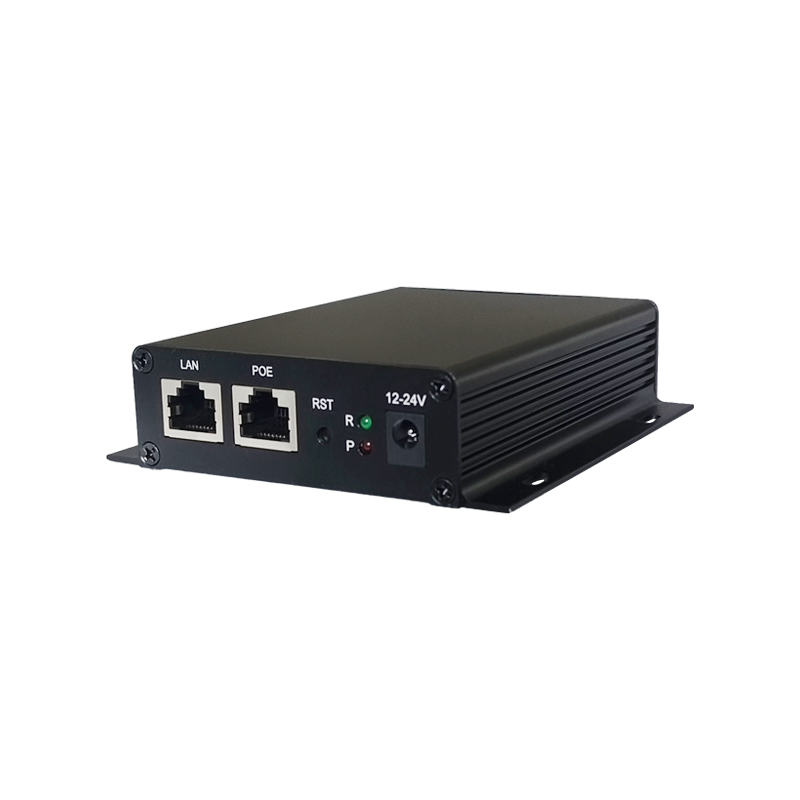

- Choose a Suitable Model: As mentioned earlier, look for a microphone with a high IP rating and moisture-resistant construction. Some manufacturers offer specialized models designed specifically for use in harsh or humid environments.
- Use Protective Enclosures: If the microphone does not have a high enough IP rating, you can use a protective enclosure to shield it from moisture. These enclosures are typically made of waterproof or water-resistant materials and can provide an additional layer of protection.
- Install a Dehumidifier: In some cases, it may be possible to control the humidity levels in the environment by installing a dehumidifier. This can help reduce the risk of moisture damage to the microphone and other electronic devices.
- Regular Maintenance and Inspection: Regular maintenance and inspection are crucial for ensuring the long-term performance of the microphone in a humid environment. This includes cleaning the microphone, checking for signs of corrosion or damage, and replacing any worn or damaged components.
Real-World Applications
Despite the challenges posed by humidity, IP Paging Microphones are successfully used in many humid environments around the world. Here are some examples:
- Swimming Pools and Water Parks: IP Paging Microphones are commonly used in swimming pools and water parks to make announcements, provide safety instructions, and play music. These environments are characterized by high humidity levels and the presence of water, so it's essential to use microphones with appropriate protection.
- Industrial Facilities: Many industrial facilities, such as breweries, food processing plants, and car washes, have high humidity levels due to the nature of their operations. IP Paging Microphones can be used in these environments to communicate with employees, issue alerts, and coordinate activities.
- Marine and Coastal Areas: In marine and coastal areas, the air is often humid and salty, which can be particularly corrosive to electronic devices. IP Paging Microphones can be used on ships, docks, and other coastal facilities for communication and safety purposes.
Conclusion
In conclusion, while humidity can pose challenges to the use of IP Paging Microphones, it is possible to use these devices in humid environments with the right precautions. By choosing a suitable model, using protective enclosures, controlling the humidity levels, and performing regular maintenance, you can ensure the reliable performance of your IP Paging Microphone in even the most challenging conditions.
If you are considering using an IP Paging Microphone in a humid environment, I encourage you to contact us for more information. Our team of experts can help you select the right microphone for your specific needs and provide guidance on installation, maintenance, and usage. We also offer a range of related products, such as IP Paging Adapter, SIP Door Entry System, and Voip Paging Adapter, to enhance your communication system.
Don't let humidity limit your communication capabilities. Contact us today to discuss your requirements and explore the possibilities of using IP Paging Microphones in your humid environment.
References
- "Ingress Protection (IP) Code," International Electrotechnical Commission (IEC) 60529.
- "Effects of Humidity on Electronic Devices," Electronics Notes.
- "Using Electronic Devices in Harsh Environments," IEEE Xplore.