

In the bustling environment of a subway station, effective communication is crucial for ensuring the safety and convenience of passengers. One technology that has gained significant attention in recent years is IP speakers. As an IP speaker supplier, I often get asked whether IP speakers can be used in a subway station. In this blog post, I will explore the feasibility, advantages, challenges, and considerations of using IP speakers in subway stations.
Feasibility of Using IP Speakers in Subway Stations
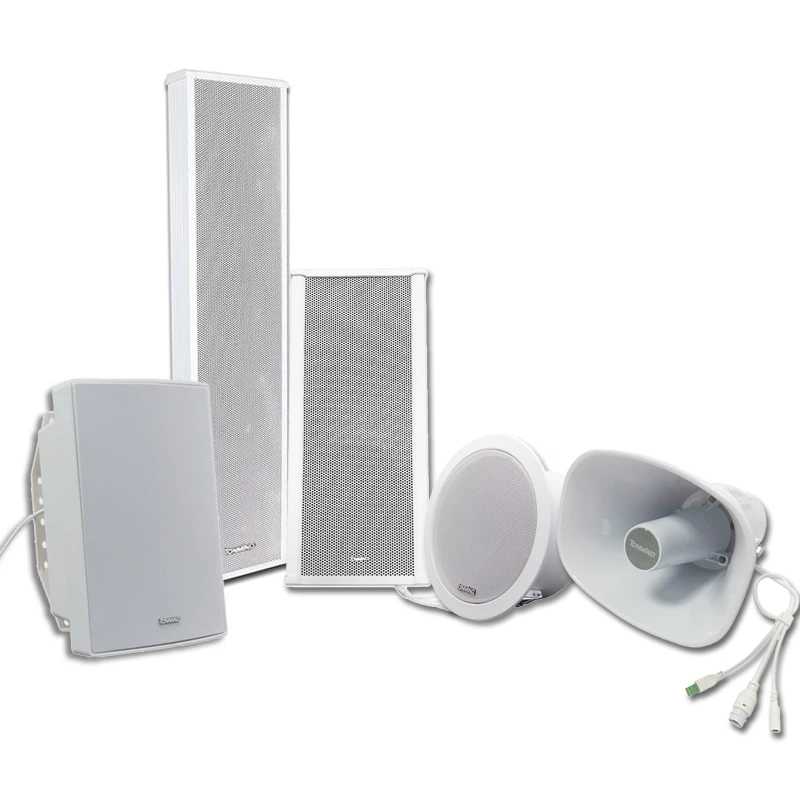
The answer to whether IP speakers can be used in a subway station is a resounding yes. IP speakers, which are connected to a network via Internet Protocol (IP), offer a range of features that make them suitable for subway station environments. They can be easily integrated into existing network infrastructure, allowing for centralized control and management. This means that station operators can broadcast announcements, emergency alerts, and other important information from a single location.
Moreover, IP speakers support multi - zone audio distribution. In a large subway station with multiple platforms, concourses, and areas, this feature enables targeted messaging. For example, operators can send different announcements to different platforms based on the train schedules or specific events happening in those areas.
Advantages of IP Speakers in Subway Stations
1. High - Quality Audio
IP speakers are capable of delivering high - quality audio, which is essential in a noisy subway environment. They can reproduce clear voice announcements, even over the background noise of trains, passengers, and ventilation systems. This ensures that important information reaches passengers effectively, reducing the risk of misunderstandings and improving overall safety.
2. Flexibility and Scalability
IP - based systems are highly flexible and scalable. New speakers can be easily added to the network as the subway station expands or undergoes renovations. Additionally, the system can be configured to adapt to different scenarios, such as normal operations, emergency evacuations, or special events.
3. Remote Monitoring and Management
With IP speakers, station operators can remotely monitor the status of each speaker, including volume levels, connectivity, and audio quality. This allows for proactive maintenance and troubleshooting, minimizing downtime and ensuring continuous operation.
4. Integration with Other Systems
IP speakers can be integrated with other subway station systems, such as CCTV, access control, and fire alarm systems. For example, in the event of a fire, the IP speaker system can automatically broadcast evacuation instructions in conjunction with the activation of the fire alarm. This seamless integration enhances the overall efficiency and effectiveness of the subway station's safety and management systems.
Challenges of Using IP Speakers in Subway Stations
1. Harsh Environment
Subway stations are subject to harsh environmental conditions, including high levels of dust, humidity, and vibration. These factors can potentially damage the IP speakers and affect their performance. Therefore, the speakers need to be ruggedly designed and protected to withstand these conditions.
2. Network Reliability
Since IP speakers rely on a network connection, network reliability is of utmost importance. In a subway station, there may be interference from other electronic devices, as well as potential network congestion during peak hours. Ensuring a stable and high - speed network is essential for the proper functioning of the IP speaker system.
3. Security
As IP speakers are connected to a network, they are vulnerable to security threats, such as hacking and unauthorized access. Protecting the system from cyber - attacks is crucial to prevent the dissemination of false information or the disruption of critical announcements.
Considerations for Implementing IP Speakers in Subway Stations
1. Speaker Placement
Proper speaker placement is essential for ensuring optimal audio coverage in the subway station. Speakers should be strategically located in areas where passengers are likely to gather, such as platforms, ticket halls, and stairways. Additionally, the height and angle of the speakers need to be carefully adjusted to minimize sound reflections and maximize clarity.
2. Audio Content Management
Developing and managing appropriate audio content is crucial. The announcements should be concise, clear, and easy to understand. Different languages may also need to be supported to accommodate a diverse range of passengers.

3. Compliance with Standards
Subway stations are subject to various safety and regulatory standards. The IP speaker system must comply with these standards, such as fire safety regulations, noise level limits, and emergency communication requirements.
Public Address And Voice Evacuation System
For a comprehensive solution that combines the features of IP speakers with advanced public address and voice evacuation capabilities, you can explore the Public Address And Voice Evacuation System. This system is designed to meet the specific needs of subway stations, providing reliable and effective communication in all situations.
Conclusion
In conclusion, IP speakers can indeed be used in subway stations, offering numerous advantages in terms of audio quality, flexibility, and integration. However, it is important to address the challenges, such as the harsh environment, network reliability, and security, through proper design, installation, and maintenance. By considering the factors mentioned above, subway station operators can implement an IP speaker system that enhances communication, improves safety, and provides a better experience for passengers.
If you are interested in learning more about our IP speaker solutions for subway stations or would like to discuss a potential procurement, please feel free to reach out. Our team of experts is ready to assist you in finding the best solution for your specific needs.
References
- "Guidelines for Audio Communication Systems in Public Transportation", Transportation Research Board
- "Network Security in Critical Infrastructure: The Case of Subway Systems", Journal of Cyber Security and Information Integrity
- "Environmental Considerations for Electronic Equipment in Subway Stations", International Journal of Environmental Engineering and Management