

In the realm of theme park design and operation, the integration of cutting - edge technology plays a pivotal role in enhancing the overall visitor experience. One such technology that has been gaining significant traction is IP speakers. As an IP speaker supplier, I am often asked whether IP speakers can be effectively used in a theme park. In this blog post, I will delve into the various aspects of this question and shed light on the potential of IP speakers in theme park settings.
Understanding IP Speakers
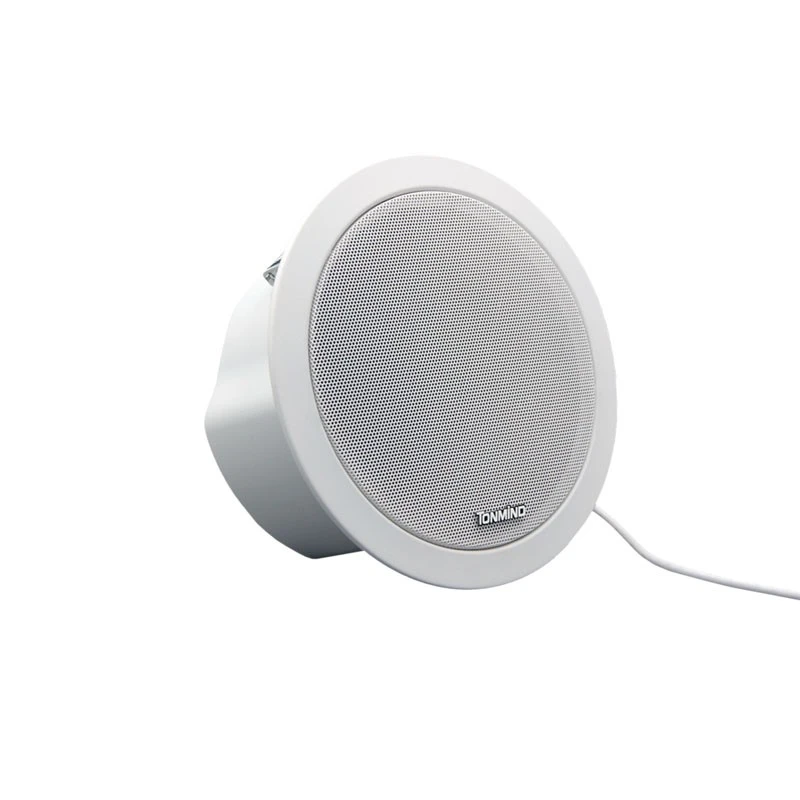
Before we explore their applicability in theme parks, let's first understand what IP speakers are. IP speakers, or Internet Protocol speakers, are audio devices that use the internet protocol to transmit audio data. Unlike traditional analog speakers, which rely on dedicated wiring for audio signals, IP speakers can be connected to a network, allowing for greater flexibility in installation and management. They can receive audio streams from various sources, such as media servers, computers, or even cloud - based platforms.
Advantages of IP Speakers in Theme Parks
1. Flexibility in Installation
Theme parks are large and complex environments with diverse attractions and areas. IP speakers offer unparalleled flexibility in installation. Since they can be connected to a network, they can be placed in hard - to - reach locations without the need for extensive wiring. For example, in a themed area with elaborate scenery and structures, IP speakers can be discreetly installed behind rocks, in trees, or on high - up platforms. This flexibility enables theme park designers to create immersive audio experiences that blend seamlessly with the visual elements.
2. Zoning and Customization
One of the key requirements in a theme park is the ability to control audio in different zones. IP speakers allow for easy zoning and customization of audio content. Each speaker or group of speakers can be assigned to a specific zone, and different audio programs can be played in each zone. For instance, in a children's area, cheerful and upbeat music can be played, while in a more thrilling roller - coaster area, dynamic and intense sound effects can be used to enhance the excitement. This level of customization helps to create unique and engaging experiences for visitors in different parts of the park.
3. Remote Management
Managing a large number of speakers in a theme park can be a daunting task. IP speakers simplify this process through remote management capabilities. Using a network - based control system, park operators can monitor and control the volume, audio source, and other settings of each speaker from a central location. This not only saves time and effort but also allows for quick adjustments in case of emergencies or special events. For example, in the event of a safety announcement, operators can instantly broadcast the message across all speakers in the park.
4. Integration with Other Systems
Theme parks often have multiple systems in place, such as lighting, special effects, and ticketing systems. IP speakers can be easily integrated with these systems to create synchronized experiences. For example, the audio can be timed to match the lighting effects in a show or the movement of a ride. This integration enhances the overall immersion and entertainment value of the park. Public Address And Voice Evacuation System is an excellent example of a system that can be integrated with IP speakers to provide comprehensive audio solutions in a theme park.
Challenges and Considerations
While IP speakers offer numerous advantages, there are also some challenges and considerations that need to be addressed when using them in a theme park.

1. Network Reliability
Since IP speakers rely on a network for audio transmission, network reliability is crucial. A theme park typically has a large number of visitors, and their use of Wi - Fi and other network services can put a strain on the network. To ensure uninterrupted audio playback, a robust and high - capacity network infrastructure needs to be in place. Redundancy measures, such as backup networks and power supplies, should also be considered to minimize the risk of downtime.
2. Environmental Conditions
Theme parks are exposed to various environmental conditions, including extreme temperatures, humidity, and dust. IP speakers need to be designed to withstand these conditions. They should be weather - resistant and have appropriate protection against moisture and dust. Additionally, the speakers should be able to operate effectively in noisy environments, where background noise from rides and crowds can be significant.
3. Audio Quality
Maintaining high - quality audio is essential in a theme park to create a memorable experience for visitors. IP speakers need to be carefully selected and configured to ensure optimal audio performance. Factors such as speaker placement, acoustic design of the area, and audio encoding should be taken into account. Regular testing and calibration of the speakers are also necessary to ensure consistent audio quality.
Case Studies
To illustrate the effectiveness of IP speakers in theme parks, let's look at some real - world case studies.
Case Study 1: A Large - Scale Theme Park
A well - known theme park decided to upgrade its audio system to IP speakers. The park had multiple themed areas, each with its own unique atmosphere. By using IP speakers, the park was able to create customized audio experiences in each area. For example, in a pirate - themed area, the sound of waves, cannon fire, and pirate shouts were played to immerse visitors in the pirate world. The remote management feature allowed the park operators to quickly change the audio content based on the time of day and special events. As a result, visitor satisfaction levels increased, and the park received positive feedback on the enhanced audio experience.
Case Study 2: A Newly - Opened Theme Park
A newly - opened theme park incorporated IP speakers from the start of its design. The park used the zoning feature to create different audio zones for its attractions. In the entrance area, a welcoming and upbeat music was played to set a positive tone for visitors. Inside the thrill rides, intense sound effects were used to heighten the excitement. The integration of IP speakers with the lighting and special effects systems created a truly immersive experience. The park's ability to manage the audio system remotely also saved time and resources during the initial setup and ongoing operations.
Conclusion
In conclusion, IP speakers can indeed be used effectively in a theme park. Their flexibility in installation, zoning and customization capabilities, remote management features, and integration with other systems make them an ideal choice for creating immersive and engaging audio experiences. However, it is important to address the challenges related to network reliability, environmental conditions, and audio quality. By carefully selecting and configuring IP speakers and implementing appropriate infrastructure, theme park operators can enhance the overall visitor experience and set their parks apart from the competition.
If you are a theme park operator or involved in theme park design and are interested in exploring the use of IP speakers for your park, I encourage you to reach out to me. As an IP speaker supplier, I have the expertise and experience to provide you with the best solutions tailored to your specific needs. Let's work together to create a truly unforgettable audio experience for your park's visitors.
References
- "Audio Systems for Theme Parks: Design and Implementation" - Journal of Theme Park Technology
- "IP - Based Audio Solutions in Large - Scale Entertainment Venues" - International Conference on Audio Engineering