

In today's digital age, educational institutions are constantly on the lookout for innovative technologies to enhance the learning experience. One such technology that has gained significant attention is the Voice over Internet Protocol (VoIP) ceiling speaker. As a supplier of VoIP Ceiling Speaker, I am often asked whether these speakers can be effectively used in a classroom setting. In this blog post, I will explore the potential of VoIP ceiling speakers in classrooms, discussing their benefits, challenges, and practical considerations.
Benefits of Using VoIP Ceiling Speakers in Classrooms
High - Quality Audio Distribution
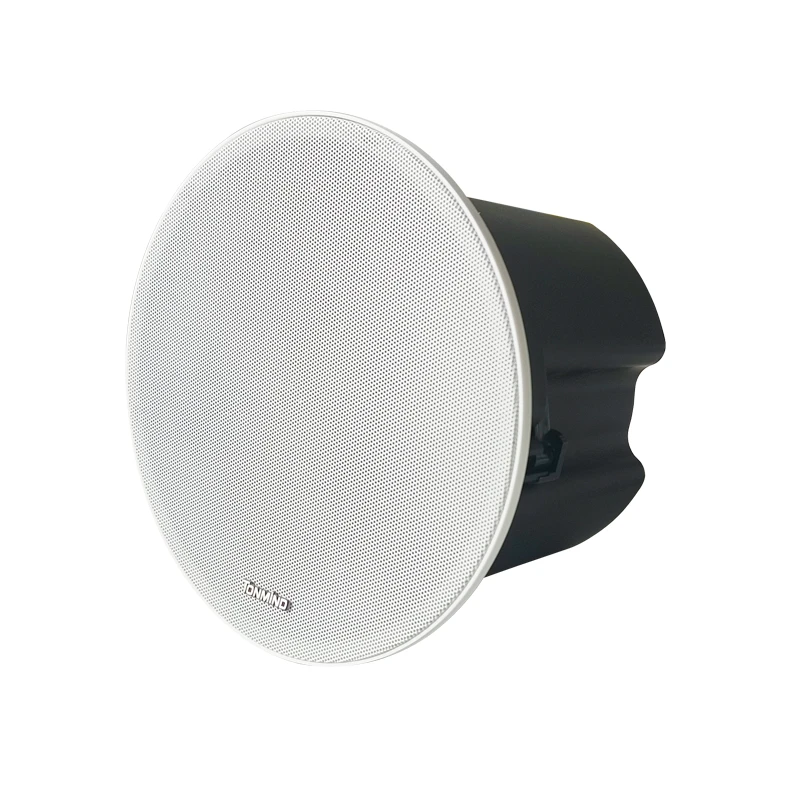
VoIP ceiling speakers are designed to provide high - quality audio over an IP network. In a classroom, this means that teachers can deliver clear and crisp instructions, play educational audio materials, and facilitate group discussions with ease. The speakers can cover a large area of the classroom, ensuring that every student can hear the audio clearly, regardless of their seating position.

Flexibility and Scalability
One of the key advantages of VoIP ceiling speakers is their flexibility. They can be easily integrated into existing IP networks, which are commonly found in educational institutions. This means that schools can expand their audio systems as needed, adding more speakers to larger classrooms or additional rooms without the need for extensive rewiring. For example, if a school decides to convert a large hall into multiple smaller classrooms, VoIP ceiling speakers can be quickly reconfigured to meet the new audio requirements.
Cost - Effectiveness
Compared to traditional audio systems, VoIP ceiling speakers can be more cost - effective in the long run. Since they use the existing IP network infrastructure, there is no need to install separate audio cables throughout the building. This reduces installation costs and ongoing maintenance expenses. Additionally, many VoIP ceiling speakers support Power over Ethernet (PoE), such as the PoE Ceiling Speaker, which eliminates the need for separate power outlets, further reducing installation complexity and costs.
Remote Management
VoIP ceiling speakers can be managed remotely, allowing school administrators and teachers to control the audio settings from a central location. This feature is particularly useful for large schools with multiple classrooms. Teachers can adjust the volume, select different audio sources, and even schedule audio playback without having to physically visit each speaker. For instance, a school administrator can broadcast important announcements to all classrooms simultaneously with just a few clicks.
Compatibility with Educational Technologies
In modern classrooms, a variety of educational technologies are used, such as interactive whiteboards, projectors, and online learning platforms. VoIP ceiling speakers can be easily integrated with these technologies to enhance the overall learning experience. For example, they can be used to play audio from educational videos displayed on the interactive whiteboard or to transmit audio from online lectures.
Challenges of Using VoIP Ceiling Speakers in Classrooms
Network Reliability
The performance of VoIP ceiling speakers is highly dependent on the reliability of the IP network. In a classroom environment, where multiple devices are connected to the network simultaneously, network congestion can occur, leading to audio delays or dropouts. Schools need to ensure that their network infrastructure is robust enough to support the additional traffic generated by the VoIP ceiling speakers. This may involve upgrading the network equipment, such as routers and switches, and implementing Quality of Service (QoS) policies to prioritize audio traffic.
Audio Quality Adjustment
Achieving optimal audio quality in a classroom can be challenging. Each classroom has its own unique acoustic characteristics, such as room size, shape, and the presence of sound - absorbing materials. Teachers may need to spend some time adjusting the audio settings of the VoIP ceiling speakers to ensure that the sound is evenly distributed and clear throughout the room. This requires some technical knowledge and experience, which may not be readily available to all teachers.
Security Concerns
Since VoIP ceiling speakers are connected to the IP network, they are potentially vulnerable to security threats. Hackers could gain unauthorized access to the speakers and use them for malicious purposes, such as eavesdropping on classroom conversations or broadcasting unwanted audio. Schools need to implement appropriate security measures, such as firewalls, encryption, and regular software updates, to protect the VoIP ceiling speakers from security breaches.
Initial Investment
Although VoIP ceiling speakers can be cost - effective in the long run, the initial investment can be relatively high. Schools need to purchase the speakers, network equipment, and may need to hire professional installers. This can be a significant barrier for schools with limited budgets. However, schools can consider applying for grants or partnering with technology vendors to reduce the upfront costs.
Practical Considerations for Using VoIP Ceiling Speakers in Classrooms
Room Design and Acoustics
Before installing VoIP ceiling speakers, it is important to consider the room design and acoustics. The speakers should be placed in locations that allow for optimal sound distribution. In general, speakers should be installed at a height of around 2.5 to 3 meters from the floor and evenly spaced throughout the room. Additionally, schools can use sound - absorbing materials, such as acoustic panels, to reduce echo and improve the overall audio quality.
Audio Source Selection
Schools need to carefully select the audio sources for the VoIP ceiling speakers. Common audio sources in classrooms include microphones, educational media players, and online audio platforms. Teachers should be trained on how to select and configure the appropriate audio sources to ensure that the audio content is relevant and engaging for the students.
Staff Training
To make the most of the VoIP ceiling speakers, teachers and school administrators need to be trained on how to use them effectively. Training should cover topics such as basic speaker operation, audio settings adjustment, and network troubleshooting. Schools can provide in - house training sessions or partner with the speaker supplier to offer training programs.
Maintenance and Support
Regular maintenance is essential to ensure the long - term performance of the VoIP ceiling speakers. Schools should establish a maintenance schedule to check the speakers for any physical damage, clean the speaker grilles, and update the software. Additionally, they should have access to reliable technical support from the speaker supplier in case of any issues.
Conclusion
In conclusion, VoIP ceiling speakers have the potential to revolutionize the way audio is delivered in classrooms. They offer numerous benefits, such as high - quality audio distribution, flexibility, cost - effectiveness, and compatibility with educational technologies. However, there are also some challenges that need to be addressed, including network reliability, audio quality adjustment, security concerns, and initial investment. By carefully considering the practical aspects, such as room design, audio source selection, staff training, and maintenance, schools can successfully implement VoIP ceiling speakers in their classrooms and enhance the learning experience for students.
If you are interested in exploring the possibility of using VoIP Ceiling Speaker in your classrooms, or if you have any questions about our products, such as the PoE Ceiling Speaker or SIP Ceiling Speaker, please feel free to contact us. We are more than happy to discuss your specific requirements and provide you with a customized solution.
References
- Cisco Systems. (2019). "VoIP and Collaboration in Education: Transforming the Learning Experience."
- Juniper Research. (2020). "VoIP Market Trends in the Education Sector."
- International Society for Technology in Education (ISTE). (2021). "Best Practices for Integrating Audio Technologies in Classrooms."