


What is a SIP intercom? Why do you need it?
Table of Contents
- Introduction: Why SIP Intercoms Are the Future of Communication
- What Is SIP and How Does It Work?
- What Makes SIP Intercoms Different from Traditional Systems?
- Key Benefits of SIP Intercom Systems
- How a SIP Intercom Works (Step-by-Step)
- Technical Parameters of SIP Intercoms
- Why Choose a SIP Intercom for Your Building
- Tonmind - Professional IP Intercom Manufacturer & ODM Partner
- Frequently Asked Questions (FAQ)
- Call to Action: Partner with Tonmind Today
As buildings, offices, and homes become smarter, traditional analog intercoms are quickly being replaced by IP-based SIP intercom systems. These modern systems offer crystal-clear communication, flexible integration, and remote access - making them essential for property developers, system integrators, and global intercom distributors.
Xiamen Tonmind Technology Co., Ltd., a trusted IP Intercom Manufacturer and Exporter, provides innovative SIP intercom solutions tailored for commercial, residential, and industrial applications.
SIP (Session Initiation Protocol) is a digital communication protocol that manages real-time audio, video, and data transmission over the internet. It allows devices to initiate, manage, and terminate voice or video calls through IP networks - similar to how VoIP telephony works.
Key Advantages of SIP Technology
- Open Standard – Works across different brands and platforms
- Multiple Communication Modes – Voice, video, and instant messaging
- Cost-Efficient – Utilizes existing IP infrastructure, minimizing wiring and installation costs
- Flexible User Access – Operate through phones, PCs, or mobile apps
- Strong Session Management – Supports call setup, modification, and termination
Traditional intercoms rely on physical wiring (2–4 wires), limiting scalability and access. SIP intercoms, on the other hand, connect via Ethernet or Wi-Fi, enabling cloud connectivity, remote communication, and smart integration with building management systems.
| Feature | Traditional Analog Intercom | SIP IP Intercom |
|---|---|---|
| Wiring | Fixed two/four-wire setup | Uses existing LAN/WAN network |
| Communication Type | Audio only | Audio + Video |
| Remote Access | Not available | Smartphone or PC access |
| Integration | Standalone system | Integrates with VoIP, CCTV, access control |
| Scalability | Limited | Highly scalable |
| Maintenance Cost | High | Low |
- Two-Way Voice and Video Communication – Interact with visitors in real time using video-enabled SIP door stations.
- Remote Door Access – Unlock gates or doors using mobile apps or desktop software.
- Cross-Brand Compatibility – SIP's open standard ensures smooth interoperability with various IP devices.
- System Integration – Connects with VoIP phones, NVRs, access control, and alarm systems.
- Simplified Installation – Runs on your building's existing IP network, reducing wiring complexity.
- Future-Ready Technology – Supports system upgrades and new IoT integrations.
(1). Setup and Registration
- Connects to the local IP network or the internet.
- Registers with a SIP server or PBX system for authentication and device identification.
(2). Communication Establishment
- When a visitor presses the door station button, a SIP INVITE signal is sent.
- The SIP server routes the call to the indoor monitor or mobile app.
(3). Door Unlocking
- Intercom units include relay outputs for electric locks.
- Residents can remotely unlock doors from their indoor monitor or mobile device.
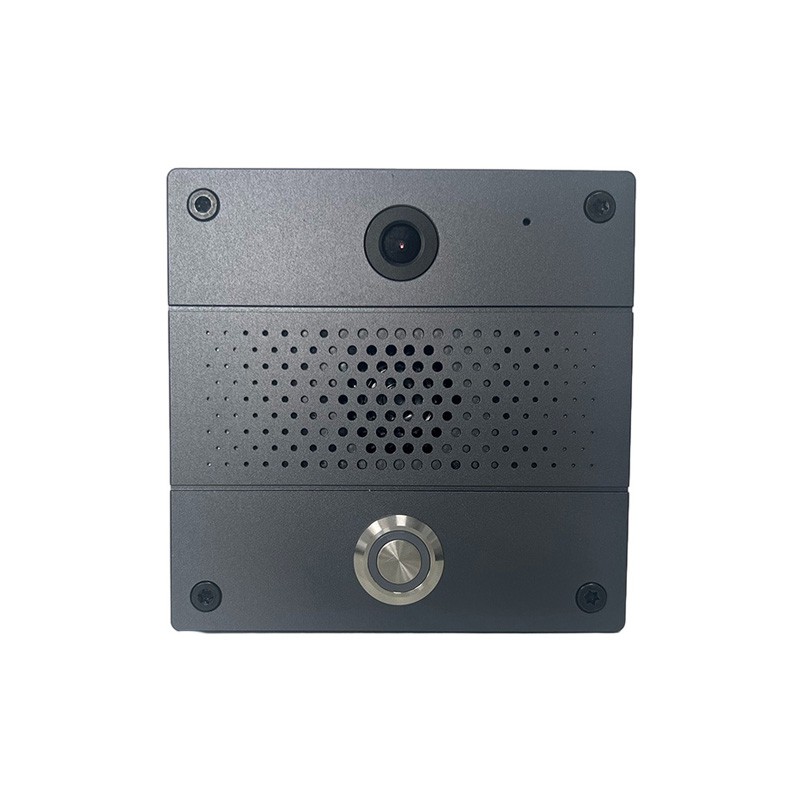
| Parameter | Specification |
|---|---|
| Protocol | SIP 2.0 (RFC 3261) |
| Network | 10/100 Mbps Ethernet, PoE support |
| Audio Codec | G.711 / G.722 / Opus |
| Video Codec | H.264 / H.265 |
| Power Supply | 12V DC / PoE (IEEE 802.3af) |
| Display | 7" / 10" LCD touchscreen (indoor monitor) |
| Operating Temperature | -20°C to +60°C |
| Integration | ONVIF, RTSP, VoIP, Access Control Systems |
| Housing Material | Aluminum alloy / weatherproof enclosure |
- Remote Management – Answer calls, view video, and unlock doors from anywhere.
- Seamless Integration – Combine intercom, CCTV, and access control in one platform.
- Scalable Architecture – Easily expand your system as your building grows.
- Long-Term Savings – Reduced maintenance and lower installation costs.
- Enhanced Security – Video verification and remote alerts prevent unauthorized access.
Xiamen Tonmind Technology Co., Ltd. is a leading IP Intercom Manufacturer and SIP Intercom Exporter specializing in OEM/ODM solutions.
We design and produce advanced SIP-based intercom systems, IP audio devices, and smart building communication products for global brands and distributors.
Why Partner with Tonmind:
- Over 10 years of R&D and manufacturing experience
- Custom ODM intercom development for international brands
- CE, FCC, and RoHS certified production
- Competitive factory pricing with global export support
- Dedicated technical team for SIP integration and after-sales service
Learn more: https://www.onvifaudio.com/
Q1: What is the main difference between IP and SIP intercoms?
A SIP intercom is a type of IP intercom that specifically uses the SIP protocol for communication. All SIP intercoms are IP-based, but not all IP intercoms use SIP.
Q2: Can SIP intercoms integrate with existing VoIP systems?
Yes, SIP intercoms can integrate seamlessly with VoIP PBX systems, allowing users to manage calls through phones or soft clients.
Q3: Are SIP intercoms suitable for outdoor environments?
Absolutely. Tonmind's SIP intercoms are designed with weatherproof housings and anti-vandal materials, ideal for outdoor installations.
Q4: How many devices can a SIP intercom system support?
The number of devices depends on your network and SIP server capacity. SIP systems are highly scalable, supporting from a few units to hundreds.
Q5: Can Tonmind customize SIP intercoms for OEM or ODM projects?
Yes. Tonmind provides OEM/ODM SIP intercom solutions for global brands, including firmware customization, design, and private labeling.
Looking for a professional IP Intercom Manufacturer for ODM or wholesale cooperation?
Xiamen Tonmind Technology Co., Ltd. delivers reliable, customizable SIP intercom systems built for smart buildings and secure communication networks.
📞 Contact Us Today to discuss OEM/ODM collaboration opportunities:
🌐 www.onvifaudio.com
📧 sales@tonmind.com