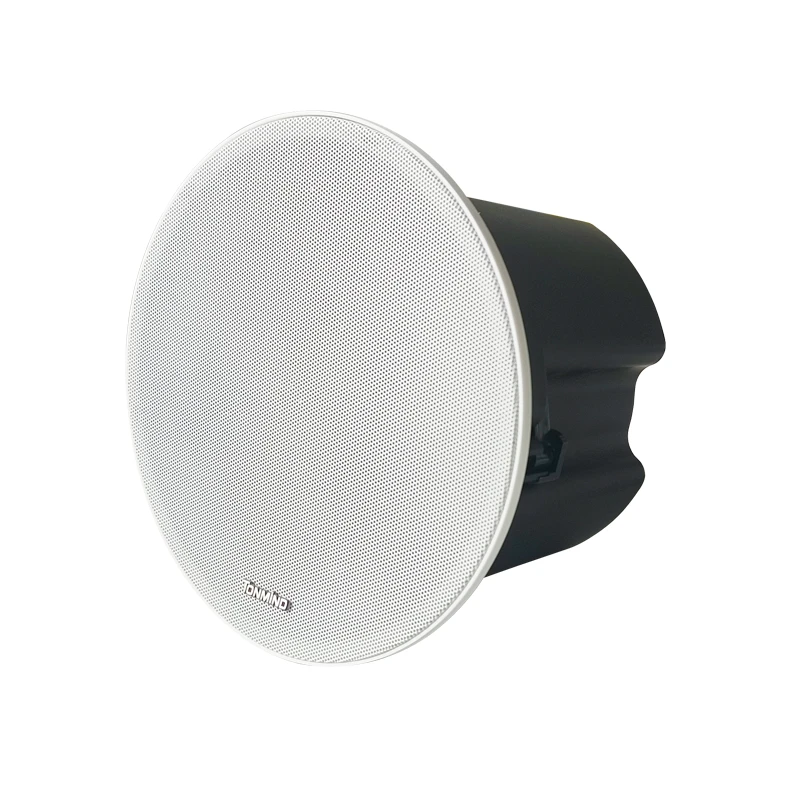
As audio communication needs continue to evolve across different industries, more organizations are exploring the shift from traditional analog systems to IP-based speakers. While analog speakers have served well for many years, IP speakers offer certain advantages that make them worth considering - especially in environments requiring flexibility, integration, and centralized control.
At Tonmind, we've had the opportunity to work with a wide range of clients across various sectors, and we'd like to share a few observations that may help when deciding between IP and analog systems.
What Are IP Speakers, and Why Are They Gaining Attention?
IP speakers are network-enabled devices that transmit audio over standard Ethernet infrastructure. Unlike analog speakers that depend on external amplifiers and dedicated wiring, IP speakers often come with built-in amplifiers, PoE support, and SIP compatibility, making them easier to install and manage remotely.
They allow users to configure zones, schedule announcements, and monitor device status - all from a centralized platform. This can be particularly helpful in large facilities such as schools, hospitals, transport stations, and office buildings.
When Might IP Speakers Be a Better Fit?
While each project is unique, here are a few common scenarios where IP speakers might offer added value:
1. New Infrastructure Projects
If you're working on a newly constructed site with an existing IP network, using IP speakers can simplify installation. With PoE, only one cable is needed for both power and data, which may help reduce setup time and costs.
2. Upgrading from Analog
For those looking to modernize older systems, IP speakers provide a scalable way to move forward - often starting in stages. Many of our clients begin by replacing speakers in key areas and expand gradually based on their needs and budget.
3. Need for Multi-Zone Paging
IP speakers make it easier to manage multiple zones and send targeted announcements, whether manually or on a schedule. This flexibility is often difficult to achieve with analog systems.
4. Two-Way Communication Requirements
In locations such as schools or industrial facilities, where two-way voice communication is necessary, IP speakers with intercom or SIP phone features can be a helpful solution.
5. Integration with Other Systems
One of the key strengths of IP speakers is their ability to integrate with video surveillance, access control, or building automation platforms. For instance, many users pair IP speakers with cameras for real-time voice alerts based on motion detection or events.
Some Benefits of IP Speakers:
🔌 Simplified wiring and power via PoE
🌐 Centralized management and monitoring
🔊 Support for SIP, multicast, and P2P communication
📣 Scheduled and event-based audio broadcasting
🔧 Easy integration into broader security or automation systems
Suggestions from Our Product Range
Depending on your environment and goals, different types of IP speakers may be suitable:
PoE Ceiling Speaker – Great for indoor areas like classrooms and conference rooms
Wall Hanging Speaker – Suitable for corridors, offices, and hospitals
IP Horn Speaker– Designed for outdoor or noisy locations
Column PA Speaker – Useful in open areas like parks or public plazas
In Conclusion
While analog systems still have their place in certain applications, IP speakers offer more flexibility, control, and integration options in many modern use cases. If you're planning a new project or looking to upgrade an older system, IP audio solutions may be worth exploring.
We'd be happy to discuss your specific needs and help recommend a solution that works for your environment. Feel free to contact us or browse our website for more details.
Tonmind IP Speaker